
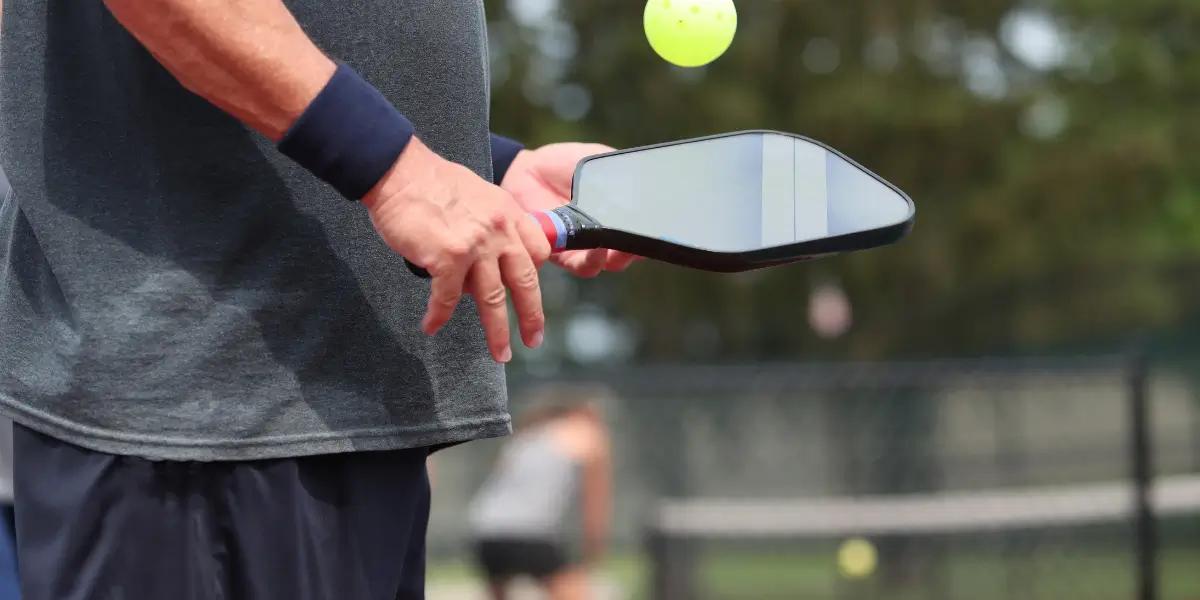
Can you switch hands in pickleball often comes up in fast rallies when the ball is pushed wide, and there is no time to set up a proper backhand. Many players hesitate in that moment because they are unsure whether switching hands is allowed or if it could cost them the point.
The answer is clear but misunderstood by many. Switching hands is legal under pickleball rules, but it is not always the smartest choice.
This article explains when switching hands is allowed, how the rules apply during live play, and whether it actually helps or hurts your game. The goal is to help you make confident decisions without guessing or risking unnecessary errors.
What Do Pickleball Rules Say About Switching Hands?
Pickleball rules are very clear about how the paddle may be used during play. A player is allowed to hit the ball with the paddle using either hand. There is no rule that restricts you to your dominant hand only.
As long as the paddle makes clean contact with the ball and all other rules are followed, the shot is legal. The rules focus on paddle contact, not which hand is holding it.
Switching hands does not violate any serving or rally rule. You may change hands at any point during play, including in the middle of a rally. The key requirement is that the paddle must be the only object that contacts the ball.
You cannot catch or guide the ball with your hand. The paddle must strike the ball cleanly, just like any other legal shot.
Is Switching Hands Legal During a Rally?
Yes, switching hands during a rally is legal as long as the switch happens before the paddle contacts the ball. Players often switch hands when reaching for wide shots or when caught out of position. The act of switching itself is not a fault.
However, timing matters. If the ball contacts your hand instead of the paddle, even briefly, the shot becomes illegal. As long as the paddle strikes the ball cleanly, switching hands during live play is fully allowed.
When Does Switching Hands Make Sense?
Switching hands can make sense in specific situations where it helps you reach the ball without breaking balance. The most common case is a wide ball hit deep to your non-dominant side.
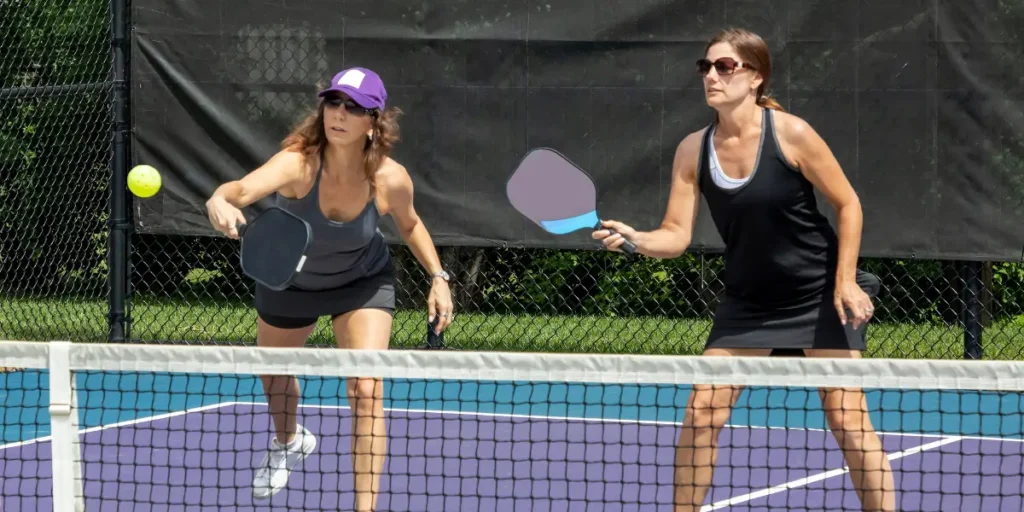
When there is no time to set your feet for a proper backhand, switching hands can allow a controlled return instead of a rushed swing.
It can also be useful on slow-moving balls where timing is not rushed. In recreational play, players sometimes switch hands to stay in the point rather than attempting a low percentage backhand.
The key factor is time. If you have enough time to switch hands cleanly and maintain control, the option can work.
When Switching Hands Becomes a Bad Idea
Switching hands becomes risky during fast exchanges or at the kitchen line. The extra movement costs reaction time and often leads to late contact. It can also disrupt balance, which increases errors.
For most players, a trained backhand is more reliable. Switching hands should be treated as an emergency option, not a primary strategy.
Switching Hands vs Using a Backhand
Choosing between switching hands and using a backhand comes down to control and consistency.
A backhand is a trained stroke that allows you to stay balanced and recover quickly for the next shot. It keeps your grip stable and your timing predictable. Over time, a reliable backhand becomes one of the most dependable tools in the game.
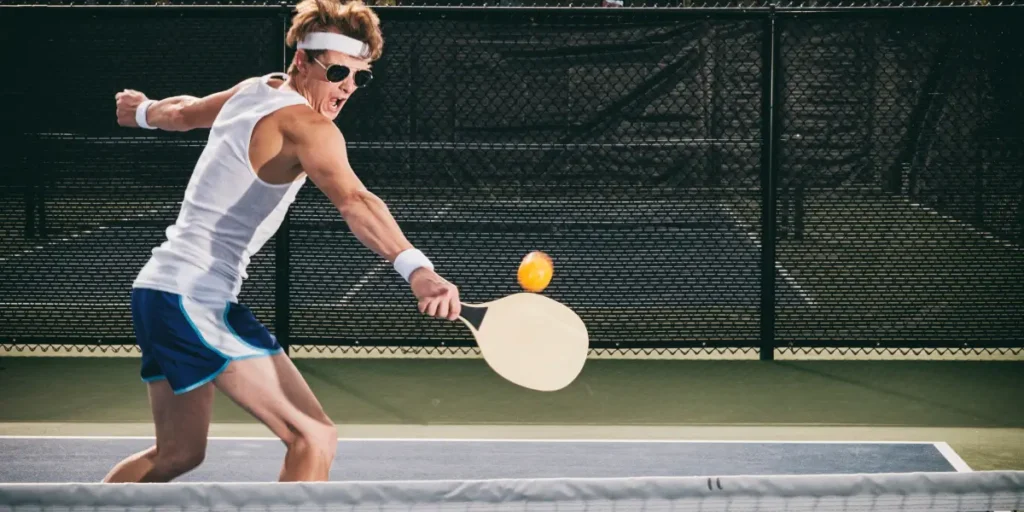
Switching hands can help in rare situations, but it adds an extra step. That step costs time and can disrupt footwork. Most players lose accuracy because the non-dominant hand lacks the same feel and strength. For consistent play, a backhand remains the better long-term option.
Do Professional Pickleball Players Switch Hands?
Professional players rarely switch hands during matches. At higher levels, speed and positioning matter more than reach. Pros rely on strong backhands because they recover faster and keep rallies under control.
When switching hands does appear, it is usually a last-second save, not a planned shot. Recreational players can learn from this by focusing on backhand development first and treating hand switching as a backup skill.
Check out: How to Become a Professional Pickleball Player in 2026
How to Practice Switching Hands Safely
1. Start With Stationary Drills
Practice should begin from a fixed position, so your focus stays on the hand switch itself. Stand still and hit softballs without moving your feet. I usually recommend switching hands early before the ball reaches you and keeping the swing simple.
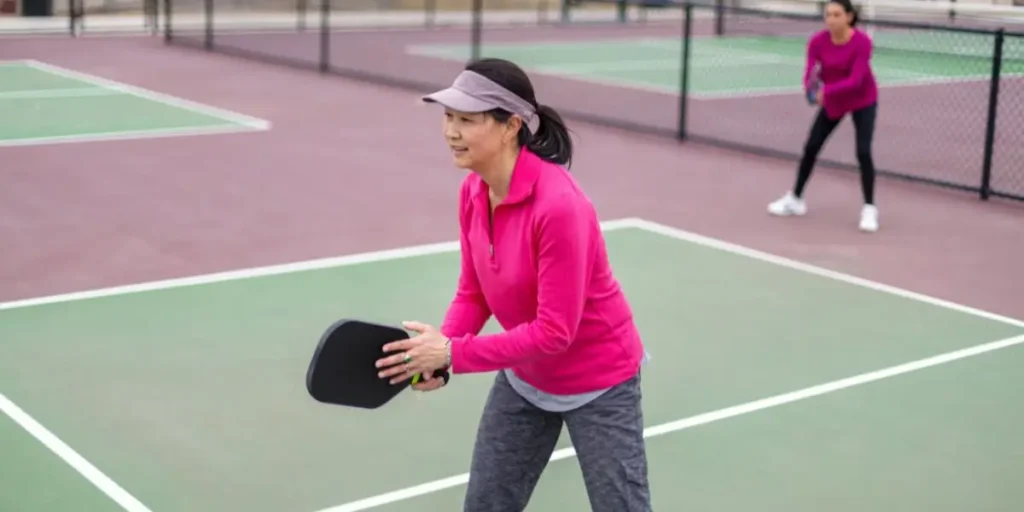
This helps your hands learn coordination without pressure. Limiting movement reduces timing mistakes and builds basic comfort with the switch.
2. Practice on Slow and Predictable Feeds
Have a partner feed slow balls to your non-dominant side at a consistent pace. Switch hands calmly and concentrate on placing the ball back in play rather than hitting hard.
In my experience, this is where players gain the most confidence because the rhythm stays controlled. Repeating predictable feeds improves timing without breaking balance.
3. Avoid Practicing During Fast Exchanges
Fast rallies, especially at the net, are not suitable for practicing hand switches. There is very little reaction time, and rushed switches lead to poor habits. Training in high-speed situations often causes late contact and loss of control.
4. Use It as a Recovery Skill Only
Switching hands should be treated as a backup option when you are stretched wide or out of position. It is not meant to replace a solid backhand. A dependable backhand remains the foundation, while hand switching helps only in limited recovery situations.
Common Myths About Switching Hands in Pickleball
One common myth is that switching hands is illegal. This is not true. Pickleball rules allow players to hit the ball with the paddle using either hand. The rules only care that the paddle makes clean contact with the ball.
Another misconception is that switching hands is always better than using a backhand. In reality, switching hands often reduces control and timing. For most players, a trained backhand is more consistent and reliable during rallies.
Some players also believe that professional players switch hands frequently. At higher levels, this is rare. Pros rely on positioning and strong backhands rather than changing hands mid-rally. Switching hands is usually a last-second recovery move, not a regular strategy.
FAQs
Yes, you can switch hands before serving as long as the serve itself follows all serving rules. The paddle must strike the ball legally, and the serve motion must remain proper. Switching hands does not affect serve legality.
Switching hands is allowed in tournaments because the rules are the same as recreational play. Officials only care that the paddle contacts the ball cleanly. Which hand holds the paddle does not matter.
Yes, switching hands at the non-volley zone is legal. The key rule is that you must not volley while stepping into the kitchen. Hand switching does not change non volley zone rules.
Related Post
- Can You Play Pickleball in the Rain
- How Long Does a Pickleball Game Last
- Can You Play Pickleball Singles
- Is Pickleball Always Doubles
- Can You Jump in Pickleball
Conclusion
Yes, you can switch hands in pickleball, and it is fully allowed under the rules. The real question is whether you should. Switching hands can help in rare situations when you are stretched wide or completely out of position.
In those moments, it can keep the rally alive. However, relying on it too often usually creates more problems than solutions. It adds extra movement, reduces reaction time, and often leads to loss of control.
For most players, a solid backhand is the better long-term investment. Switching hands works best as a recovery skill, not a primary technique. Use it sparingly, practice it safely, and never let it replace proper positioning and footwork.