
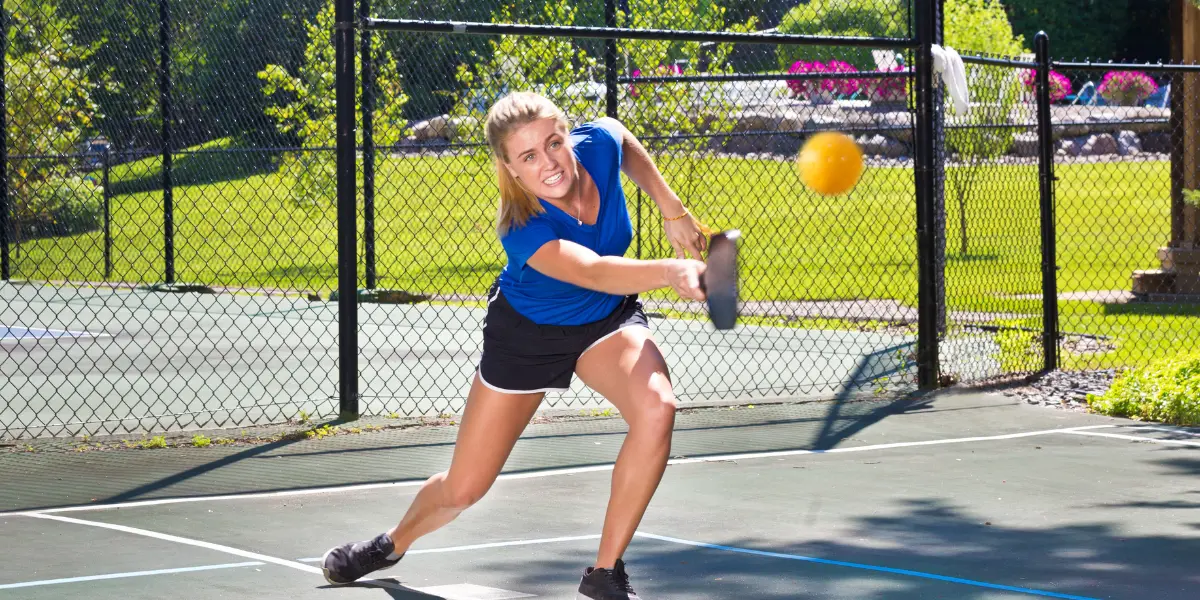
Struggling to get that extra edge on your shots? Mastering how to spin a pickleball might be the game-changer you’ve been missing. Whether it’s dropping a tricky topspin serve or slicing a sharp backhand dink, spin makes your shots harder to read and even harder to return.
The good news? You don’t need to be a pro to do it. With the right grip, paddle angle, and a few technique tweaks, you can start adding spin to your game today, even if you’ve never tried it before. Let’s break down how it’s done step by step.
Types of Spin in Pickleball
Understanding spin starts with knowing the different types and when to use them. Each spin behaves differently in the air and on the bounce, giving you a tactical edge during gameplay. Let’s break them down:
Topspin
Topspin makes the ball dip quickly and bounce forward with speed. It’s generated by brushing the paddle upward across the back of the ball. Players often use topspin on groundstrokes and third-shot drops to clear the net and keep the ball low after the bounce. It’s especially effective for aggressive drives that stay in.
Backspin (Slice)
Backspin, or slice, causes the ball to float and skid low on the bounce. It’s created by cutting down the back of the ball with an open paddle face. Use it for dinks, volleys, and defensive returns. It forces your opponent to lift the ball, setting you up to attack the next shot.
Sidespin
Sidespin makes the ball curve left or right in the air, depending on the direction of the paddle’s brush. It’s less common but highly deceptive, especially on serves and cross-court dinks. When used correctly, sidespin can throw off your opponent’s timing and paddle positioning.
When Each Type Is Useful
- Use topspin to stay aggressive, especially on baseline shots and fast-paced rallies.
- Apply backspin to control the pace or neutralize hard-hitting opponents.
- Throw in sidespin to keep your opponent guessing and force weak returns.
Mastering these spins takes time, but even adding one reliably into your game can change how your rallies play out.
How to Put Topspin on a Pickleball
Topspin helps your shots dip faster and bounce higher, making it tougher for opponents to return.
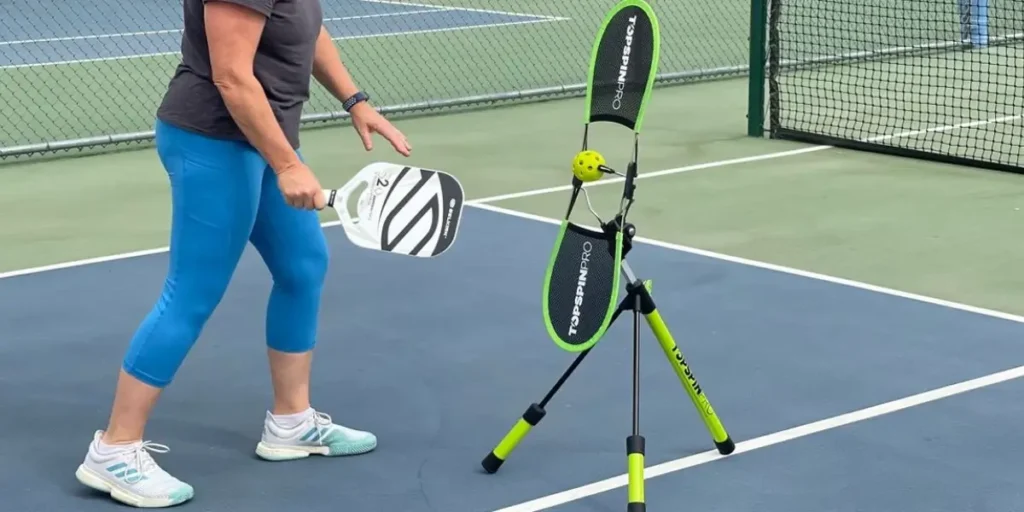
To create topspin, swing your paddle from low to high in a smooth motion. Keep the paddle slightly tilted forward and brush the back of the ball, not hit it flat. After hitting, follow through above your shoulder to guide the ball and add spin.
Topspin works best on forehand drives and soft drop shots. It gives you more control and helps keep the ball in play.
To practice, try forehand drives across the court with a low-to-high swing. Shadow swings (without the ball) and soft drop drills near the kitchen line can also help you build better spin control over time.
How to Add Backspin or Slice on a Pickleball
To generate backspin, often called a slice, swing your paddle from high to low with a slightly open paddle face.
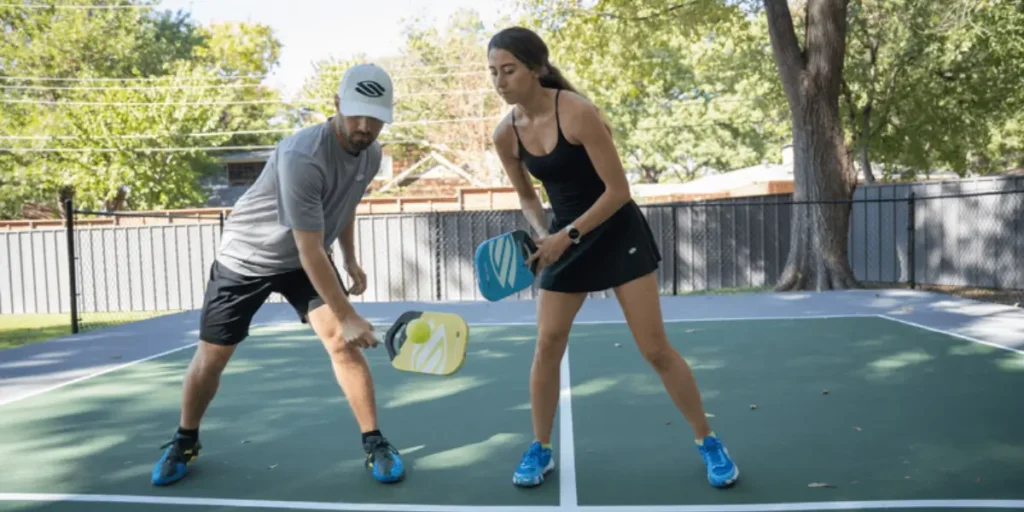
As you approach the ball, use a gentle brushing motion underneath it instead of hitting straight through. This undercutting action creates a backward spin that makes the ball float slower and stay low after the bounce, making it difficult for your opponent to attack.
Backspin works best in situations where control and placement are more important than speed. Use it on soft drop shots, defensive returns, and low dinks near the net. It’s especially effective when you need to reset the point or slow down the rally.
To improve your slice, practice slow returns from the baseline with a relaxed grip and a high-to-low swing. Shadow slicing without a ball helps develop muscle memory. You can also use kitchen line backspin dinks to build precision and touch under pressure.
How to Apply Sidespin to a Pickleball
To create sidespin, brush the paddle across the side of the ball while swinging either from left to right or right to left, depending on the direction you want the ball to curve.
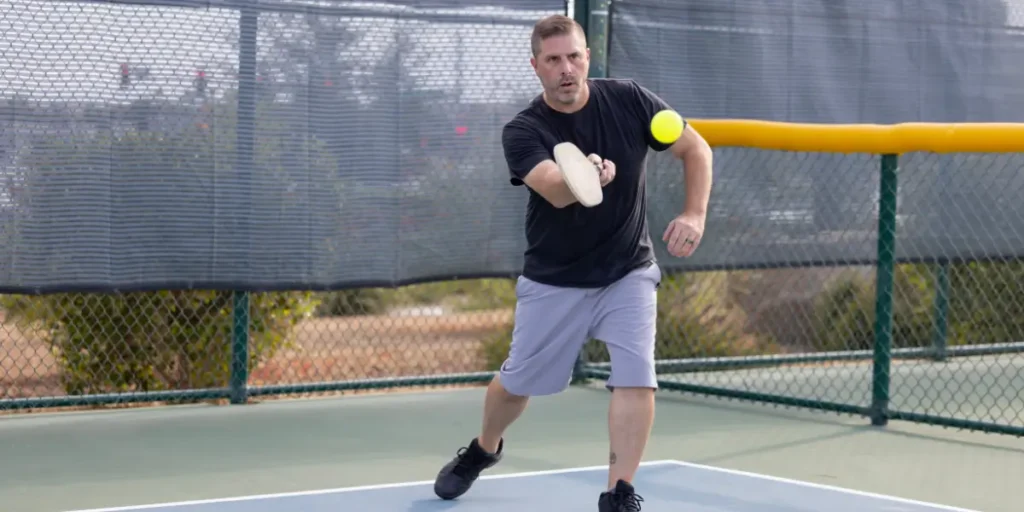
The paddle face should stay slightly closed or open, based on whether you’re hitting forehand or backhand. The key is not hitting straight through the ball, but swiping across it at contact.
Techniques to Curve the Ball Left or Right
If you want the ball to curve to the left (for a right-handed player), swing across your body from right to left. For a curve to the right, swing outward from left to right. The angle and speed of the brush will decide how much the ball spins sideways.
Effective Use During Serve or Return
Sidespin is particularly useful when serving or returning serve. A spin serve that curves away from your opponent’s paddle can force a mis-hit or poor return. It’s also handy when you want to push your opponent wide and open up the court.
Spin Serves That Catch Opponents Off-Guard
Try a sidespin serve by tossing the ball, brushing across it at contact, and aiming wide. The sudden curve can catch opponents off balance, especially if they’re expecting a straight shot. Practice it regularly so you can control the direction and depth while keeping your serves legal under current rules.
When to Use Spin in Pickleball
Spin is most effective when you want to control the ball’s bounce or throw off your opponent’s timing.
Use topspin when hitting fast forehand drives or soft drop shots that need to dip quickly over the net and stay in.
Backspin is helpful for defensive plays like third shot drops or dinks, especially when you need to slow the game down.
Sidespin works well on serves or wide returns to pull opponents off the court. You can also add spin during fast-paced rallies to change the ball’s bounce and force awkward returns.
Common Spin Mistakes Beginners Make
One of the most common mistakes beginners make is overusing spin without control. Trying to add heavy spin without mastering the basics can lead to unforced errors and missed shots.
Another mistake is using the wrong grip, like holding the paddle too tight or using an improper angle, which reduces your ability to generate effective spin. Some players also ignore their footwork, which throws off balance and timing, making the spin less consistent.
Lastly, hitting the ball too flat or with stiff wrist movement prevents any real spin from forming. Fixing these habits early will help build more reliable, effective spin over time.
Drills to Improve Your Spin Game in Pickleball
If you want to master spin in pickleball, regular practice is key. Start with solo wall drills, stand a few feet from a wall, and practice hitting the ball using a low-to-high swing for topspin or an open paddle face for backspin.
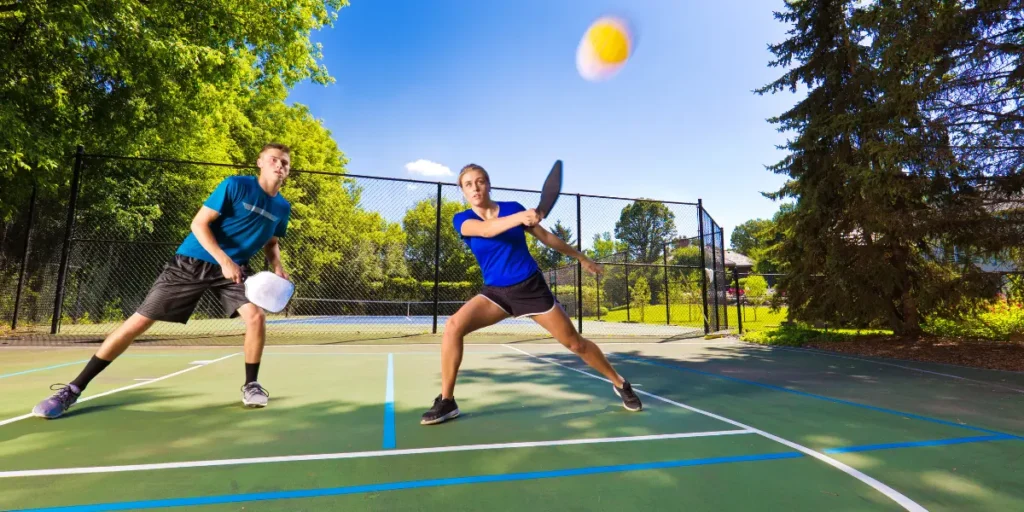
Focus on your paddle angle and swing path. Watch how the ball reacts off the wall so you can better understand the spin you’re generating.
With a partner, try cross-court rally drills where each of you applies different spins. Say the spin out loud before each shot (like “topspin” or “slice”) to stay intentional and build awareness. This also helps train your muscle memory.
For precision, use cones or flat targets on the court. Practice hitting spin shots into those zones to improve your aim and depth control. Start slowly, then increase speed as your consistency improves.
These drills not only sharpen your spin technique but also boost your confidence during real gameplay.
FAQs
Yes, spin is completely allowed in pickleball. Players can add topspin, backspin, or sidespin during rallies. However, spin serves are restricted under the latest rules to ensure fair play.
Yes, but with limits. As of the 2023 rule updates, players cannot use a pre-spin motion (like finger-flicking) before hitting the serve. You can still generate spin with paddle motion, especially sidespin, during the serve itself.
It depends on the situation, but backspin is usually harder for beginners because it stays low and slows down. Topspin, however, can push players back and cause a higher bounce, especially when hit fast and deep.
Related Post
Conclusion
Mastering spin in pickleball takes time, patience, and consistent practice, but the results are worth the effort.
By learning how to generate topspin, backspin, and sidespin correctly, you gain better control over your shots and can handle different game situations with more confidence.
Spin is not about hitting harder, but about using proper grip, paddle angle, and swing mechanics to shape the ball’s movement.
Focus on clean technique first, then slowly add variety to your shots. With regular drills and mindful practice, spin will start to feel natural and become a reliable part of your game.