
If you’re struggling with service faults or just want more control in your pickleball game, the drop serve might be the solution you didn’t know you needed.
Introduced as a rule update in recent years, the drop serve has quietly changed how players approach the game, especially beginners and those looking for consistency.
But what exactly is a drop serve, and why are experienced players using it strategically?
In this article, we’ll break down everything you need to know about the drop serve, how to execute it properly, and why mastering it could give you an edge on the court.
What is a Drop Serve in Pickleball?
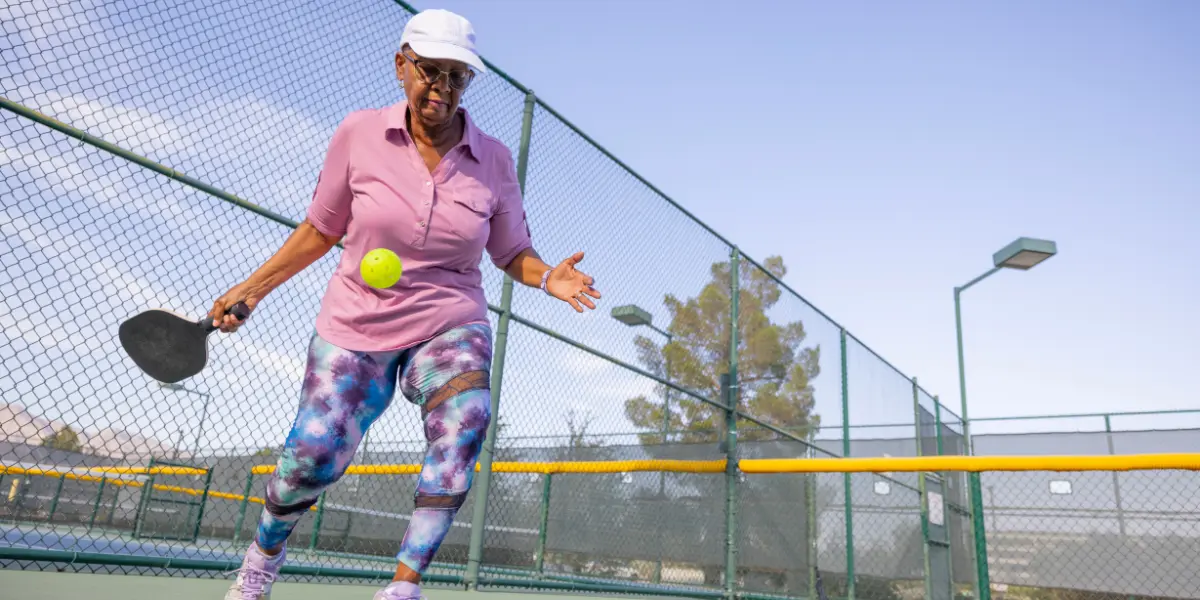
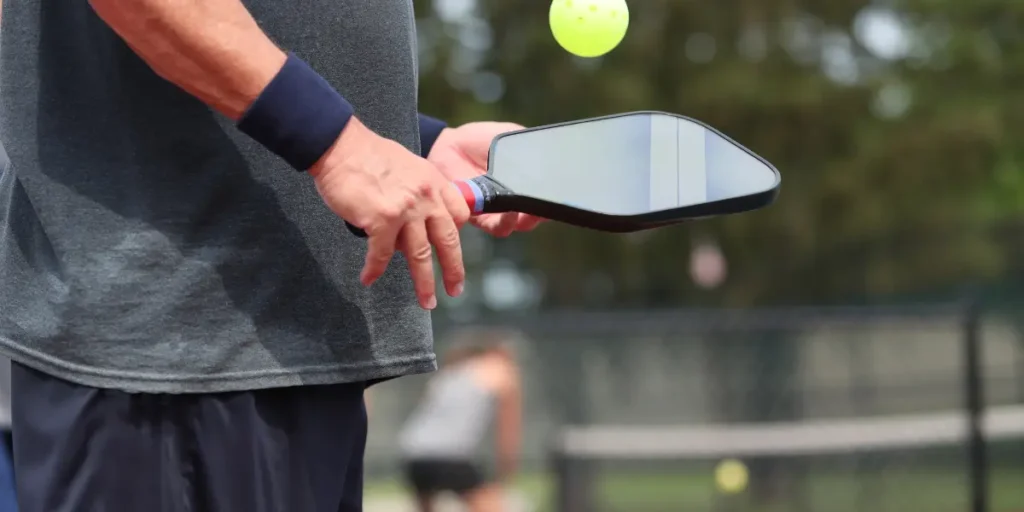
A drop serve in pickleball is a serving method where the player lets the ball fall from their hand or paddle face and strikes it only after it bounces.
Unlike the traditional volley serve, where the ball is hit out of the air, the drop serve offers a more relaxed and controlled start to the rally. The ball must fall naturally without any added force and can bounce any number of times before contact.
This technique is especially helpful for players who struggle with precision or consistency in their serve. By relying on gravity rather than timing a swing in midair, many players find that their drop serves land with better placement and fewer errors.
Drop Serve Rules According to USA Pickleball (Rule 4.A.6 a–c)
Understanding the official rules of the drop serve is essential if you want to use it correctly, especially in competitive play. Below is a breakdown of the current USA Pickleball rules as outlined in section 4.A.6 of the official rulebook.
4.A.6.a: Legal Ball Release and Visibility
- The ball must be released from only one hand or from the paddle face
- The release height must not exceed the natural reach of the server
- The ball must bounce at least once before it is struck
- There is no limit to how many times it can bounce or where it bounces
- The release must be visible to the receiver or referee
- If visibility is blocked or unclear, the serve must be replayed
- Traditional foot placement rules still apply under Rule 4.A.4
4.A.6.b: No Force or Assisted Motion Allowed
- The server cannot toss, throw, or push the ball downward
- The ball must drop entirely due to gravity
- No spin, lift, or downward force can be applied using the hand or paddle
4.A.6.c: Type of Stroke
- Both forehand and backhand strokes are permitted
- The player may choose either style as long as it follows the other drop serve requirements
How to Perform a Drop Serve: Step-by-Step Guide
1. Get into Position
Begin by standing behind the baseline, ensuring both feet are within the legal service area. At least one foot must remain grounded behind the baseline during the serve.
Avoid stepping on or over the baseline, sidelines, or centerline. Proper positioning helps prevent foot faults and keeps your serve legal under official rules.
2. Hold the Ball or Paddle Face
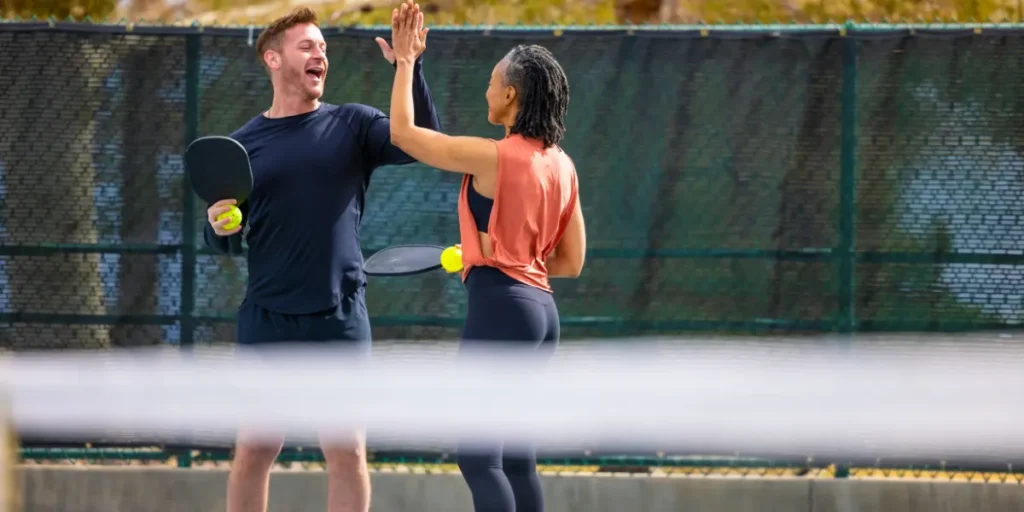
You may hold the ball in one hand or rest it on the paddle face. Choose the option that feels most comfortable and stable.
At this stage, do not apply any spin, lift, or force. The ball should be completely neutral and ready to fall naturally.
3. Let the Ball Drop Naturally
Release the ball without tossing it upward or pushing it downward. Gravity alone must control the drop.
The ball must bounce on the ground before you strike it. There is no restriction on how many times it may bounce, as long as contact happens after the bounce.
4. Make Contact After the Bounce
Once the ball bounces, strike it using a smooth underhand motion. The paddle must remain below your waist at the moment of contact.
You may use either a forehand or backhand stroke. Focus on clean contact rather than speed to maintain consistency.
5. Aim for Controlled Placement
Serve the ball diagonally into the opponent’s service court, just as you would with a traditional serve.
Instead of power, focus on depth and accuracy. A well-placed drop serve can limit aggressive returns and help you gain early control of the rally.
If you want to become a pro pickleball player Check this out: How to become a professional pickleball player
Drop Serve vs Traditional Volley Serve: Side-by-Side Comparison
| Feature | Drop Serve | Traditional Volley Serve |
|---|---|---|
| Ball Contact | After the ball bounces on the ground | Hit out of the air before it touches the ground |
| Timing Difficulty | Easier, as you can time your swing after the bounce | Harder, requires precise timing during the toss |
| Control and Accuracy | High control due to slower, more stable setup | Less forgiving, can lead to faults if timing is off |
| Speed and Power | Generally slower, focused on placement | Can generate more power and spin |
| Ideal For | Beginners, players with mobility issues, or those needing consistency | Experienced players looking to apply pressure early in the rally |
| Foot Fault Risk | Lower, due to slower, deliberate motion | Higher, especially when rushing to hit the toss correctly |
| Legal Status | Fully legal and approved by USA Pickleball | Also fully legal under current rules |
| Ease of Learning | Easier to learn and master quickly | Takes more time and practice to execute correctly |
| Use in Competitive Play | Commonly used for safe and strategic serves | Preferred for aggressive or advanced-level serving strategies |
Advantages of Using the Drop Serve in Pickleball
One of the biggest advantages of the drop serve is improved consistency. Because the ball bounces before contact, players get extra time to set their paddle and body position. This reduces rushed swings and significantly lowers the chances of service faults, especially during tight scores.
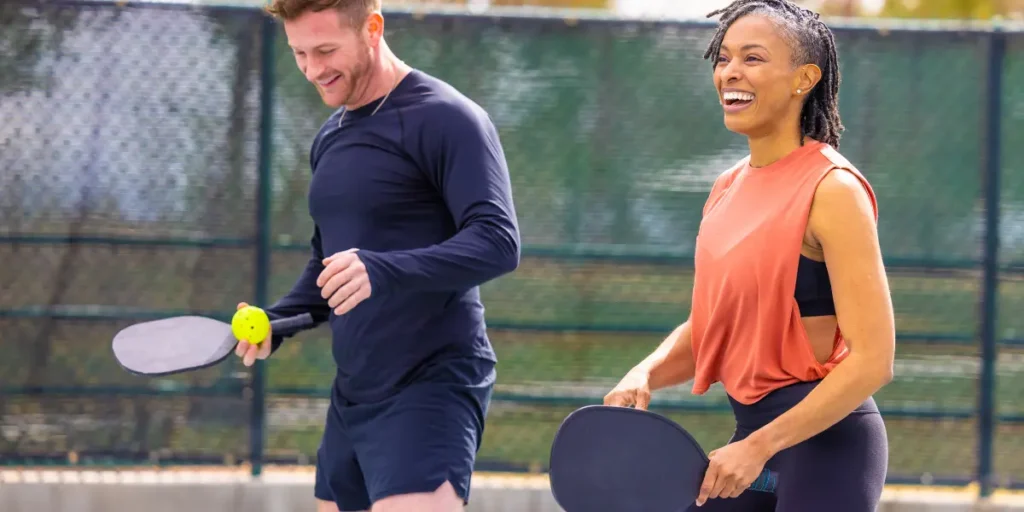
The drop serve is also ideal for players with limited mobility, beginners, or those returning from injury. Since it doesn’t require precise timing in the air, the motion feels more natural and less physically demanding while still remaining fully legal.
Another key benefit is the reduced risk of foot faults. The slower and more deliberate setup gives players better balance and awareness of their foot placement behind the baseline.
From a strategic perspective, the drop serve allows for better placement and variation. Instead of focusing on power, players can aim deeper or wider in the service box.
For example, a deep drop serve to the opponent’s backhand corner can force a weak return, giving you control of the rally from the very first shot.
Finally, the drop serve adds versatility to your serving game. Being able to switch between a traditional volley serve and a drop serve keeps opponents guessing and prevents them from settling into a predictable return rhythm.
How to Practice the Drop Serve Effectively
Practicing the drop serve consistently helps develop muscle memory, improve accuracy, and build confidence during real matches. When practiced with intention, this serve becomes reliable even under pressure situations.
1. Start with Simple Drop Control
Begin each practice session by focusing only on the drop itself. Release the ball and observe how it falls and bounces without adding any force. This helps train your hand to let gravity do the work naturally.
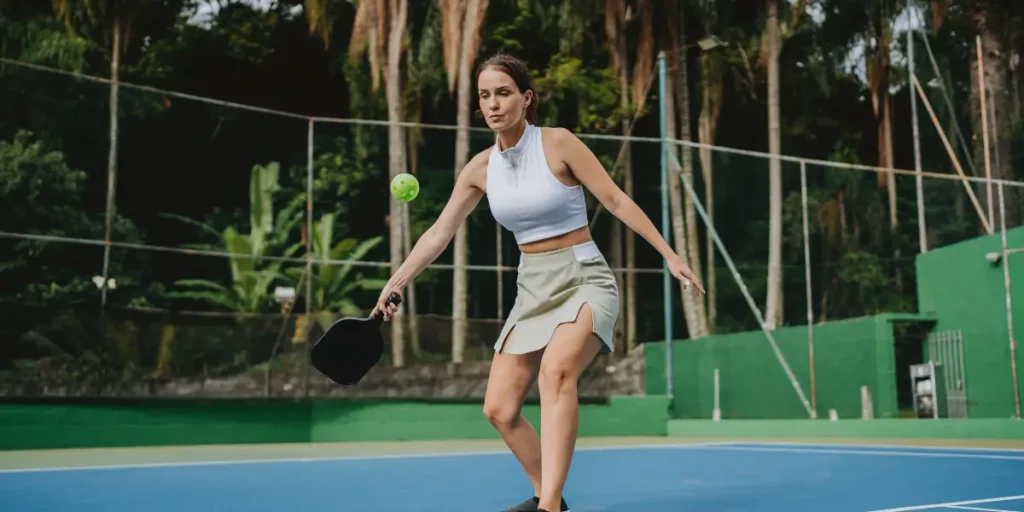
When I first practiced the drop serve, I noticed I was unconsciously tossing the ball slightly. Repeating this simple drill helped eliminate that habit and kept my serve legal.
2. Practice with Target Zones
Place cones, towels, or tape markers in different areas of the service box. Start by aiming deep near the baseline, then gradually work on serving wider toward the sidelines.
This drill improves placement awareness and teaches how small changes in paddle angle and swing path affect serve direction.
3. Experiment with Pace and Spin
Once your consistency improves, experiment with different swing speeds and paddle angles. Try a slower serve with a slice, followed by a flatter, deeper serve.
Mixing pace and spin makes your serve less predictable and can force weaker returns, especially from opponents expecting a consistent tempo.
4. Use Feedback to Refine Technique
Recording your serve or practicing with a partner can reveal small flaws that are easy to miss. Pay attention to grip pressure, body balance, and where the ball is released relative to your body.
I found that releasing the ball too far in front affected my timing. Correcting this small detail improved both accuracy and control.
5. Practice Under Mild Pressure
To prepare for match situations, practice serving after light movement or during short practice games. Serving when slightly fatigued helps maintain form when it matters most.
This approach builds confidence and consistency during long rallies or close-score situations.
Want more solo practice tips? Check out our full guide on how to practice pickleball alone at home, packed with effective drills to boost your skills when you’re training solo.
Common Mistakes to Avoid During a Drop Serve
Although the drop serve is simpler than a traditional serve, players still make a few common mistakes.
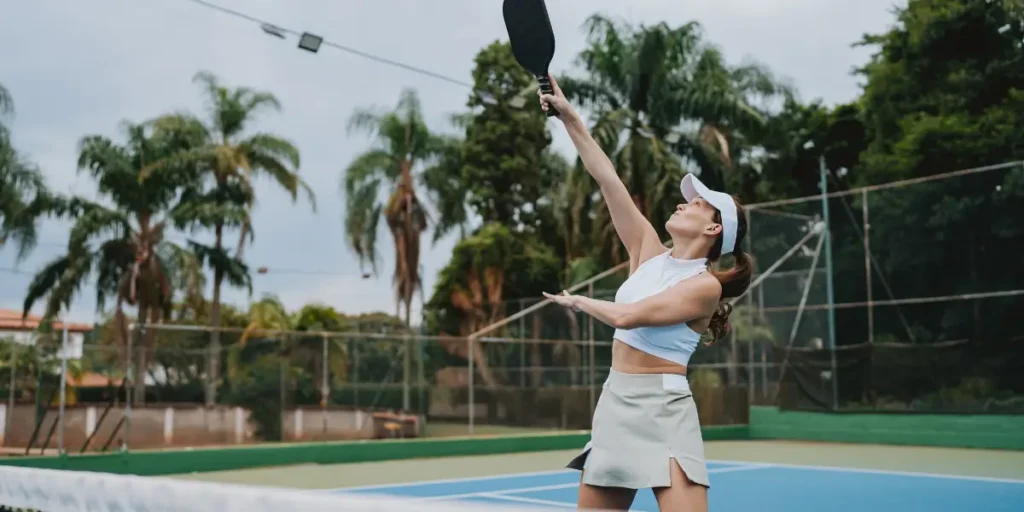
One frequent error is tossing or pushing the ball instead of letting it drop naturally. Any added force, even unintentionally, makes the serve illegal because the ball must fall by gravity alone.
Another common mistake is hitting the ball before it bounces. Players switching from a volley serve often rush their swing out of habit, resulting in a fault. The ball must always bounce at least once before contact.
Foot faults also occur when players step on or over the baseline, move into the sideline or centerline, or lose balance during the serve. Even with the slower pace of a drop serve, proper foot placement is still required.
Poor timing can reduce control as well. Striking the ball too early or too late after the bounce affects accuracy and depth. Lastly, players sometimes block the receiver’s view of the ball during the drop. To avoid a replay, always release the ball clearly in front of your body.
FAQs
Yes, you can use a drop serve in both doubles and tournament play. The drop serve is fully legal under USA Pickleball rules, and players at all levels, including professionals, use it strategically. It’s especially useful in doubles when you want to create a low, controlled serve that’s harder for opponents to attack.
That depends on your playing style. The drop serve offers more consistency for beginners and allows creative spin variations, but the traditional serve may provide more power and control for experienced players.
Yes, and that’s one of the major advantages of the drop serve. Since you’re not constrained by the upward swinging motion required in the traditional serve, you have more freedom to brush the ball and add slice or topspin.
Most coaches recommend that beginners start with the drop serve. It removes the added complexity of timing a toss and swinging simultaneously, which often leads to faults. Once players become comfortable with paddle control and serve placement, they can try the traditional serve to expand their options.
Conclusion
The drop serve in pickleball is a practical and accessible serving technique that offers players more freedom and consistency. It’s especially beneficial for those who prefer a simpler motion without compromising control or accuracy.
By learning the proper form and following the official pickleball drop serve rules, you can confidently use this serve in casual games, doubles, or even tournaments.
With regular practice and a little experimentation, the drop serve can become a reliable part of your strategy and help you elevate your overall performance on the court.