
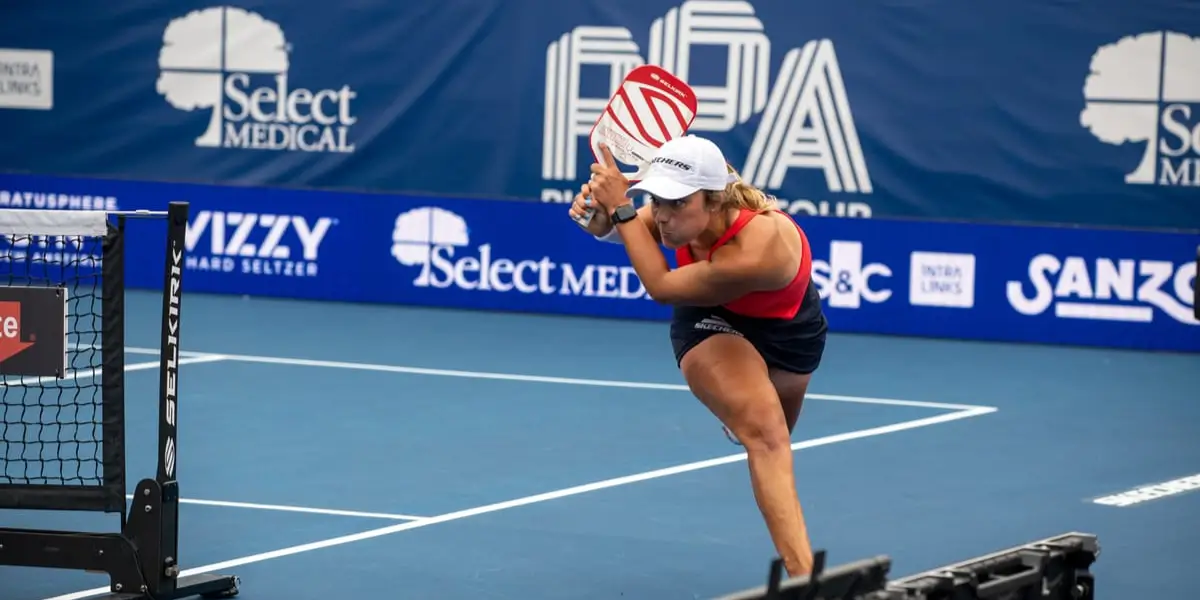
What is ATP in pickleball, and why does this single shot change the entire point within seconds. ATP stands for Around the Post, and it refers to a legal shot that travels outside the net post instead of over the net.
This article explains exactly how the ATP shot works when it becomes possible and why skilled players use it as a high-percentage finishing option. You will learn the rules behind ATP, the correct court positioning, and the technical mindset required to attempt it successfully.
By the end, you will clearly understand when to try an ATP and when avoiding it is the smarter play.
What Does ATP Mean in Pickleball
ATP in pickleball means Around the Post. It describes a shot that travels outside the net post and lands inside the opponent’s court without crossing over the net. Many players first assume the ball must always pass above the net, but the rules do not require that.
The net itself does not define the legal path of the ball. The posts do. When the ball is pulled wide enough beyond the sideline, a player can strike it around the outside of the post and still win the rally.
The ATP shot usually appears during dink exchanges or stretched wide returns. It is not a power shot by nature. Control awareness and timing matter more than speed.
Skilled players treat ATP as a high-reward option that becomes available only when the opponent creates the angle. That is why ATP is not forced. It is earned.
Is the ATP Shot Legal in Pickleball
Yes, the ATP shot is fully legal in both singles and doubles pickleball. The rules allow the ball to travel around the net post as long as it lands within the correct court boundaries. The ball does not need to cross above the net, and it does not matter how low it travels. What matters is where it lands.
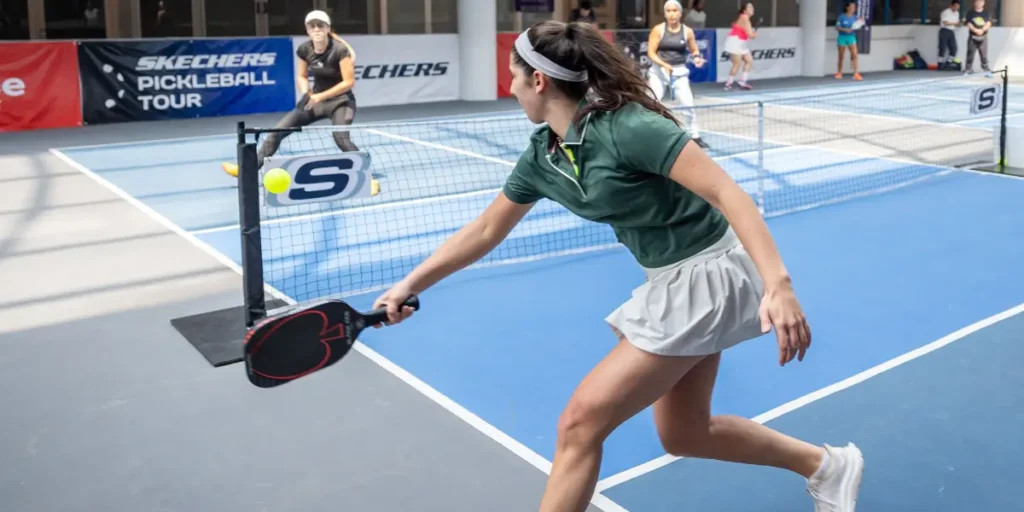
Confusion often comes from new players who believe the net creates an invisible wall across the court.
In reality, the net only matters if the ball crosses above it. Once the ball goes outside the pos,t that restriction no longer applies. This makes ATP one of the few shots where creativity replaces height and power.
However, legality does not mean safety. If the ball has not moved far enough outside the pos,t the net will block the shot. Players who misjudge this angle often hit the post or dump the ball into the net. Smart players confirm space first, then commit fully to the swing.
When Can You Hit an ATP Shot
An ATP shot becomes possible only when your opponent pulls the ball far enough outside the sideline. This usually happens during cross-court dinks or wide-angle passing attempts.
The key signal is simple. If the ball travels beyond the net post line and continues to drift outward, you may have a clean path around the post.
Court awareness decides everything here. You must recognize the opportunity early and move laterally without panic. Players who hesitate lose the angle. Players who rush lose control.
The best ATP attempts come from balanced footwork and a calm read of space. You do not chase the ball blindly. You track its path and confirm that the post no longer blocks your swing.
Not every wide ball deserves an ATP attempt. If the ball stays too close to the post or drops too low, you should reset the point instead. Experienced players choose ATP only when the margin feels clear. That decision separates highlight shots from costly errors.
How to Hit an ATP Shot Correctly
Court Positioning and Movement
Correct positioning decides whether an ATP succeeds or fails. As soon as you read the wide ball, you must move sideways, not backward. Stay low, keep your chest facing the court, and avoid turning your shoulders too early.
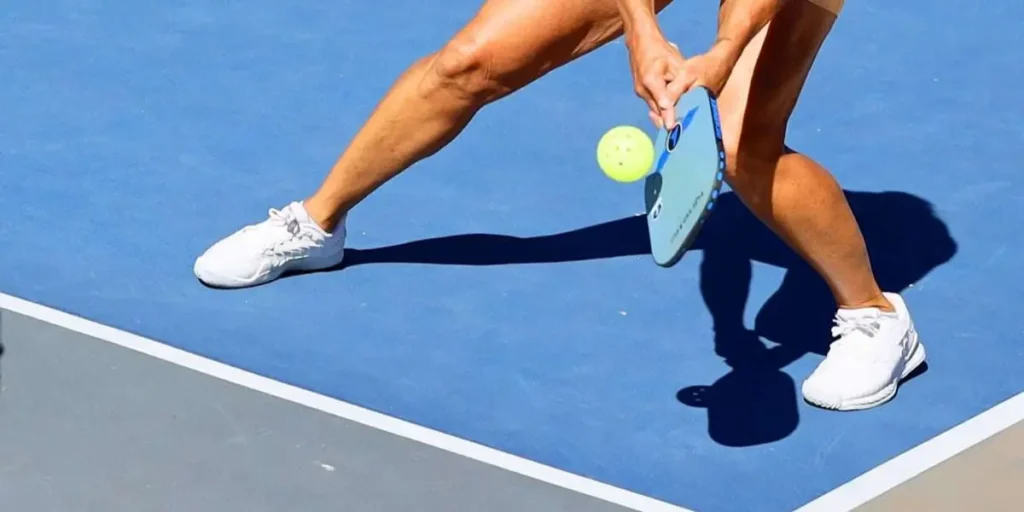
Good players glide into position instead of lunging. This keeps the balance intact and allows controlled contact. Your outside foot should plant first, giving you a stable base before the swing begins. If your feet stop late, the shot loses precision.
Paddle Angle and Contact Point
The paddle face should stay slightly open at contact. You do not flip the wrist or carve the ball sharply. Strike the ball out in front of your body at a comfortable reach distance. Contact should happen after the ball clearly passes the net post line.
Hitting too early causes the post to block the path. Hitting too late removes angle. Clean contact produces a flat controlled trajectory that bends naturally into the court.
Shot Direction and Control
Aim diagonally toward the open court, not straight ahead. ATP rewards placement, not power. Use a smooth forward swing and let the angle do the work. Excess force increases errors and reduces margin.
Many successful ATP shots land near the sideline or back corner, forcing no response. Control keeps the ball inside the court, and pressure stays on your opponent.
Pro Tips to Master the ATP Shot
Mastering the ATP shot requires intention, not repetition without purpose. Start by training your eyes before training your swing. During dink rallies, focus on reading ball drift and post clearance. The moment you consistently recognize ATP opportunities, your success rate increases naturally.
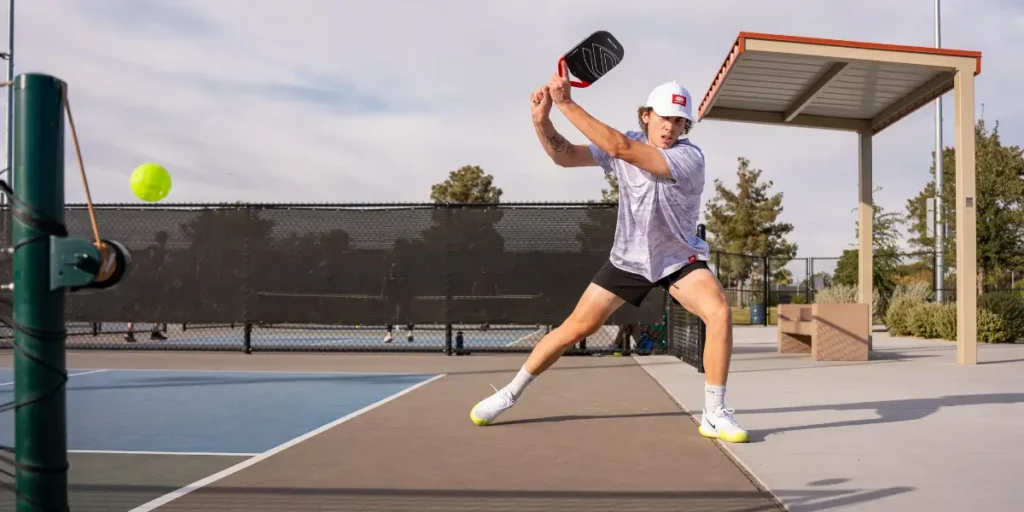
Practice lateral movement separately from hitting. Smooth side steps create balance, and balance creates control. Many advanced players rehearse wide dink scenarios where the goal is not to hit ATP every time but to judge whether the option exists. This discipline sharpens decision-making.
When you do swing, commit fully. Half-committed ATP shots usually fail. Confidence matters once the angle is clear. Trust the open court and let the geometry finish the point. Players who hesitate often guide the ball and lose accuracy.
ATP Shot vs Erne Shot in Pickleball
ATP shot works around the net post. The Erne shot works over the net, but from outside the kitchen. One relies on angle. The other relies on positioning and timing. Skilled players decide between them in seconds based on ball path and opponent placement.
ATP vs Erne Shot Comparison Table
| Aspect | ATP Shot | Erne Shot |
|---|---|---|
| Ball Path | Travels outside the net post | Crosses over the net |
| Net Clearance | Not required | Required |
| Player Position | Outside sideline | Outside kitchen near sideline |
| Best Situation | Very wide ball beyond post | High or floaty dink |
| Risk Level | Medium | High |
| Common Mistake | Misjudging angle | Foot fault in kitchen |
| Skill Focus | Court awareness and control | Very wide ball beyond the post |
ATP is usually safer when the ball clearly moves outside the post. Erne becomes dangerous only when executed perfectly. Advanced players respect both shots but never confuse their purpose.
Common Mistakes Players Make When Attempting an ATP
The most frequent mistake is attempting an ATP before the ball clears the post. Players see a wide ball and commit too early, which sends the ball directly into the net or post. This error comes from excitement, not awareness. ATP rewards patience, not impulse.
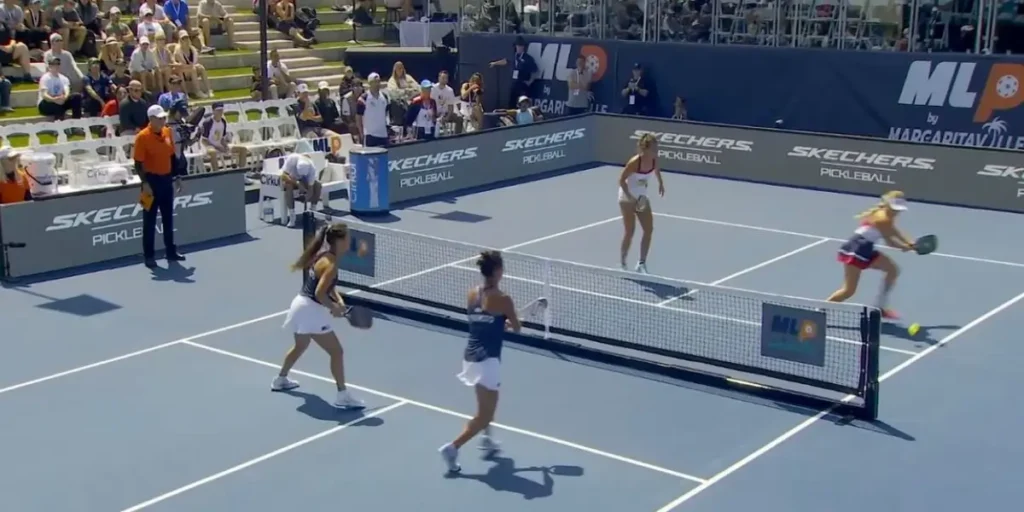
Another common problem is overhitting. Players try to finish the point with speed instead of trusting the angle. This reduces margin and increases unforced errors. ATP does not need power. It needs placement.
Poor footwork also ruins many attempts. Lunging sideways or hitting while off balance leads to mishits. Skilled players stop first, then swing. They let their feet control the shot, not their arms.
Finally, many players force ATP when a reset would keep them in the rally. ATP is an option, not an obligation. Experts choose it selectively, and that discipline wins more points than highlight attempts.
Can Beginners Learn the ATP Shot
Beginners can learn the ATP shot, but only after building core fundamentals. Without solid control and court awareness, ATP becomes a low percentage gamble. Players should first feel comfortable with dinking directional control and consistent footwork.
The best time for a beginner to practice ATP is during controlled drills, not live competitive play. This removes pressure and allows focus on mechanics. Early success should come from understanding space rather than forcing winners.
As skill improves, ATP becomes a natural extension of smart positioning. It should never feel rushed or forced. When beginners treat ATP as a situational tool instead of a highlight shot, their progress accelerates, and errors drop.
Why the ATP Shot Is So Effective in Competitive Play
ATP shot works so well because it attacks a space most players stop defending. When the ball travels wide, the opponent often recovers toward the middle, expecting a cross-court reply. ATP punishes that assumption instantly. The angle removes reaction time and leaves no realistic counter.
Another reason ATP succeeds is psychological pressure. Once you hit a clean ATP, your opponent becomes hesitant about hitting wide dinks again. This hesitation reduces their offensive angles and shifts control in your favor. Even one successful ATP can change how the entire rally pattern develops.
At higher levels, ATP is not about flash. It is about efficiency. Players use it to close points cleanly without risking extended exchanges. When chosen correctly, ATP shortens rallies and preserves energy, which matters deeply in competitive matches.
FAQs
ATP is challenging because it requires timing awareness and footwork rather than power. Many players find it easier than Erne once they learn to read the angle correctly.
Yes, you can hit around the net in pickleball, and this shot is known as an ATP or Around the Post shot. The rules allow the ball to travel outside the net post without crossing over the net as long as it lands inside the opponent’s court.
Related Post
Conclusion
The ATP shot in pickleball is not a trick or a gamble. It is a smart response to a wide ball that rewards awareness, control, and discipline.
Players who understand when ATP becomes available gain a clear advantage without relying on power or risky swings. The key is recognizing space early, positioning the body correctly, and committing only when the angle feels clean.
ATP should never replace consistency or patience. It works best as a finishing option that appears naturally during well-constructed rallies.
When you treat ATP as a calculated decision instead of a highlight attempt, it becomes one of the most reliable and satisfying shots in your game.