
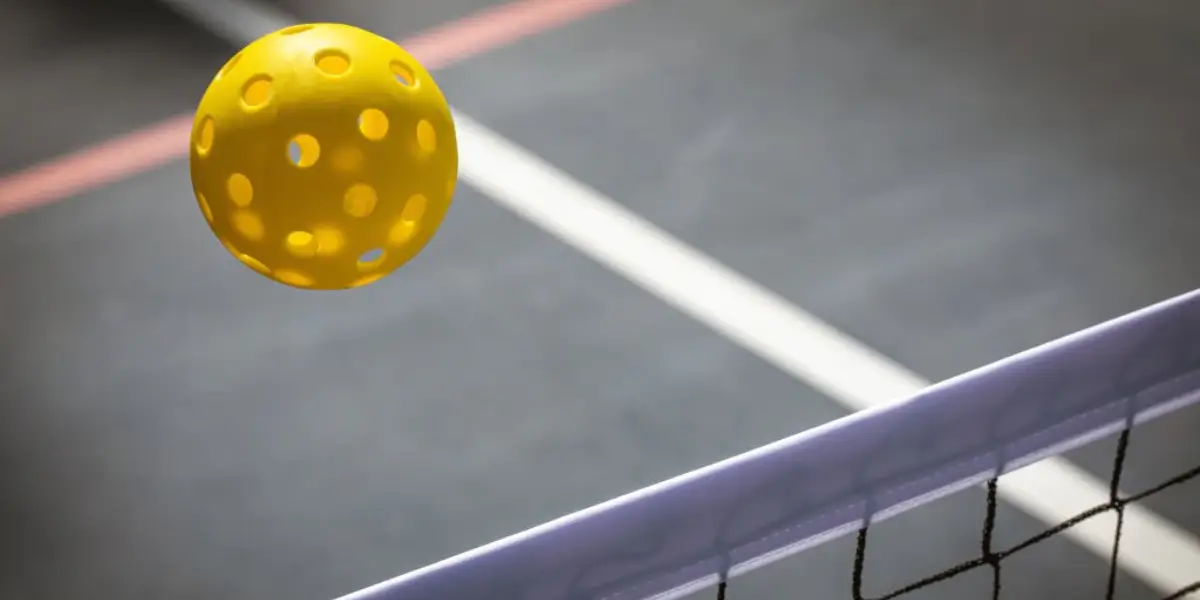
Are there lets in pickleball, and do players still replay serves when the ball hits the net? This question creates confusion on courts every day, especially for players coming from tennis or older pickleball rules.
In this guide, you will learn exactly what a let means in pickleball, how the rule used to work, and what changed after its removal. We will clearly explain current serve rules, real game situations, and common misconceptions so you know when play continues and when a fault is called.
By the end, you will handle net-touching serves with confidence and avoid unnecessary stoppages or arguments on court.
What Is a Let in Pickleball
A let in racket sports traditionally refers to a situation where a point is stopped and replayed because of interference or an unintended interruption.
In older versions of pickleball, the term “let serve” had a very specific meaning. If a serve touched the net and still landed inside the correct service box, the serve was replayed without penalty.
This rule created confusion for many players, especially during fast-paced games. Determining whether the ball clipped the net was not always clear, and disagreements often followed. To simplify the game and reduce disputes, pickleball’s governing body decided to make a significant change.
As of 2021, let serves no longer exist in pickleball. Under the current rules, if a serve touches the net and still lands in the proper service box, play continues normally. There is no replay and no pause. The rally proceeds just like any other legal serve.
Old vs New Let Serve Rule in Pickleball
| Rule Aspect | Old Rule Before 2021 | New Rule After 2021 |
|---|---|---|
| Let Serve Allowed | Yes | No |
| Ball Hits Net and Lands in Service Box | Replay Serve | Play Continues |
| Ball Hits Net and Lands Outside Service Box | Fault | Fault |
This update was introduced to keep matches moving and to eliminate debates over whether a serve should be replayed. By removing let serves, pickleball became easier to officiate and more enjoyable to play at all levels.
Is There a Let Serve in Pickleball
Let serves are no longer part of pickleball. Under current rules, every serve has a clear outcome. It is either legal or it is a fault. There is no option to redo a serve simply because it touched the net.
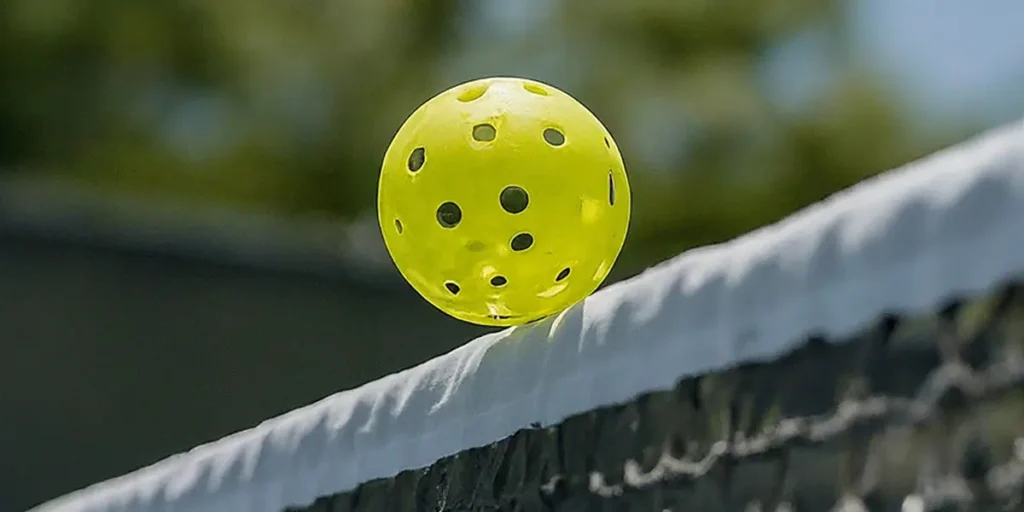
If the ball contacts the net during a serve and still lands within the correct service box, the serve is valid, and play continues immediately. If the ball touches the net and lands outside the service box or inside the non-volley zone, the serve is ruled a fault.
This rule applies universally in recreational play, league matches, and tournaments. Players are expected to stay alert and ready to return serves that clip the net and drop into the court.
What Happens If the Serve Hits the Net Now
Under current pickleball rules, a serve that touches the net does not stop play by default. The outcome depends entirely on where the ball lands. If the ball clips the net and lands inside the correct service box, the serve is legal, and the rally continues immediately.
If the ball hits the net and lands outside the service box or inside the non-volley zone, the serve is ruled a fault. The server loses that serve with no replay granted.
Because of this rule, players must stay alert. A net touching serve that drops in can create awkward timing, and hesitation often costs the point.
Examples of Legal vs Illegal Serves After the Rule Change
Understanding how the rule applies in real situations helps remove hesitation during matches.
Legal Serves
✅ A serve that hits the net and lands in the correct service box remains in play and must be returned.
✅ A serve that clears the net cleanly and lands diagonally in the service box without touching the kitchen is legal.
✅ A serve delivered with proper underhand motion and correct foot positioning that lands in bounds is valid.
Illegal Serves
❌ A serve that hits the net and lands outside the correct service box is a fault.
❌ A serve that touches the net and drops into the non-volley zone is a fault.
❌ A serve where the server steps on or over the baseline during contact is illegal regardless of net contact.
These examples reinforce one key idea. Net contact alone no longer determines the outcome of a serve. Landing location does.
Why Was the Let Serve Rule Removed
The main reason for removing the let serve rule was to eliminate disputes and interruptions. In many games, players disagreed about whether the ball touched the net, which often led to arguments and slowed the pace of play.
By removing let serves entirely, pickleball introduced a clear and predictable standard. Players no longer need to stop and debate. The result of the serve is determined solely by where the ball lands.
While some players initially struggled to adjust, especially those coming from tennis backgrounds, most have adapted quickly. The game now flows more smoothly, and rallies begin without unnecessary pauses or confusion.
When a Replay Still Happens in Pickleball
Lets are no longer part of pickleball serving rules. A serve is either valid or a fault, with no option for replay. This applies at every level of play, from casual games to professional tournaments.
However, not all stoppages are considered lets. Rare situations, such as outside interference, can still result in a replay.
For example, if a stray ball rolls onto the court during a rally or a player becomes distracted by an external interruption, a referee may stop play and replay the point. These situations are not let serve and should not be confused with the old rule.
Players coming from tennis often need time to adjust. Once understood, the no-let system removes uncertainty and keeps matches fair and consistent.
Check this: Serve Overhand in Pickleball
Pickleball Serve Rules After Let Removal
With let serves removed, serving accuracy becomes more important. A legal serve must be underhand, with the paddle contacting the ball below the waist and the feet positioned correctly behind the baseline. The serve must travel diagonally and land in the opponent’s service box beyond the kitchen line.
If the serve clips the net and still lands correctly, play continues. If it lands incorrectly, the serve is lost. This clarity ensures every serve has a clear outcome and prevents mid-point debates.
Another important rule that still applies is the two-bounce rule. After the serve, the ball must bounce once on each side before volleys are allowed. This rule remains unchanged and works alongside the no-let rule to keep rallies balanced and fair.
Common Misconceptions About Let’s in Pickleball
Many players still mistakenly believe lets exist in pickleball, especially during recreational play. This misunderstanding often leads to unnecessary pauses when a serve touches the net.
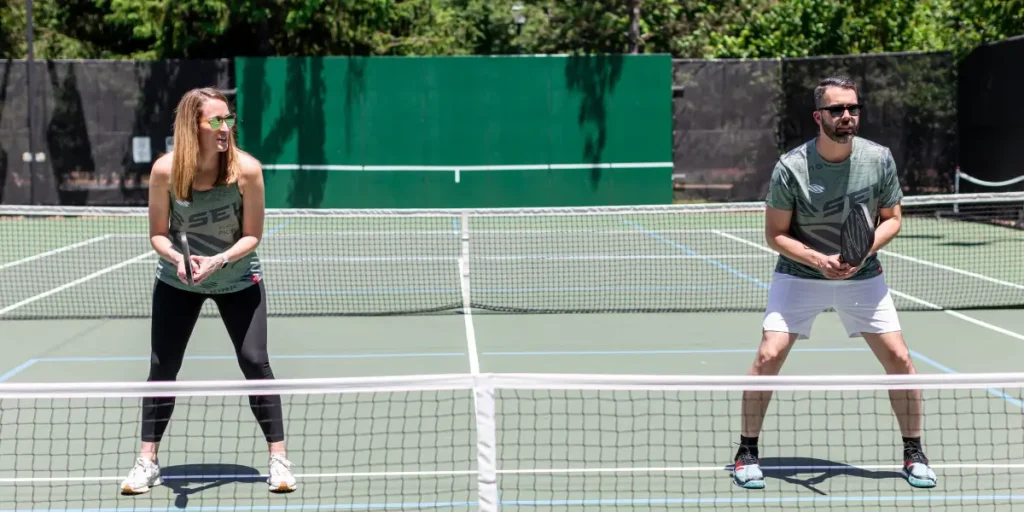
Some players instinctively stop play or call for a replay. Doing so can actually result in losing the point. Educating players about the current rule prevents confusion and ensures smoother games.
Clear communication before matches helps. Agreeing to follow current rules eliminates frustration and keeps rallies moving naturally.
Benefits of Removing the Let Rule in Pickleball
The removal of let serves solved a common problem in competitive and recreational play. Previously, close serves that barely clipped the net often sparked disputes. Players questioned intent, fairness, and even honesty.
By removing the rule entirely, pickleball simplified decision-making. There is no judgment call required. The ball either lands correctly or it does not.
This change reduces interruptions, maintains momentum, and allows games without referees to progress smoothly. Players focus more on strategy and execution rather than rule arguments.
Over time, this has made pickleball more accessible and enjoyable for players of all backgrounds.
FAQs
No redo serves are allowed. Every serve counts immediately. If the serve is legal, play continues. If it is a fault, the serve is lost without a replay.
Pickleball removed lets to reduce disputes and speed up gameplay. The change created a clear outcome for every serve and eliminated unnecessary stoppages.
No professional players follow the same no-let rule as recreational players. The rules are consistent across all levels of play.
Yes, a serve can touch the net and remain valid if it lands inside the correct service box. Players must stay alert because these serves stay in play.
A replay may occur only in rare cases involving outside interference, such as a stray ball entering the court. This is not considered a let serve.
Conclusion
The removal of the let serve rule has made pickleball clearer and more consistent. By eliminating replay decisions, the game flows more smoothly, and disputes are reduced. Players now rely on simple outcomes based on where the ball lands rather than how it traveled.
Understanding this rule helps players react confidently and avoid unnecessary stoppages. Embracing the updated rules allows everyone to focus on skill strategy and enjoyment, which is exactly what pickleball is designed to deliver.