
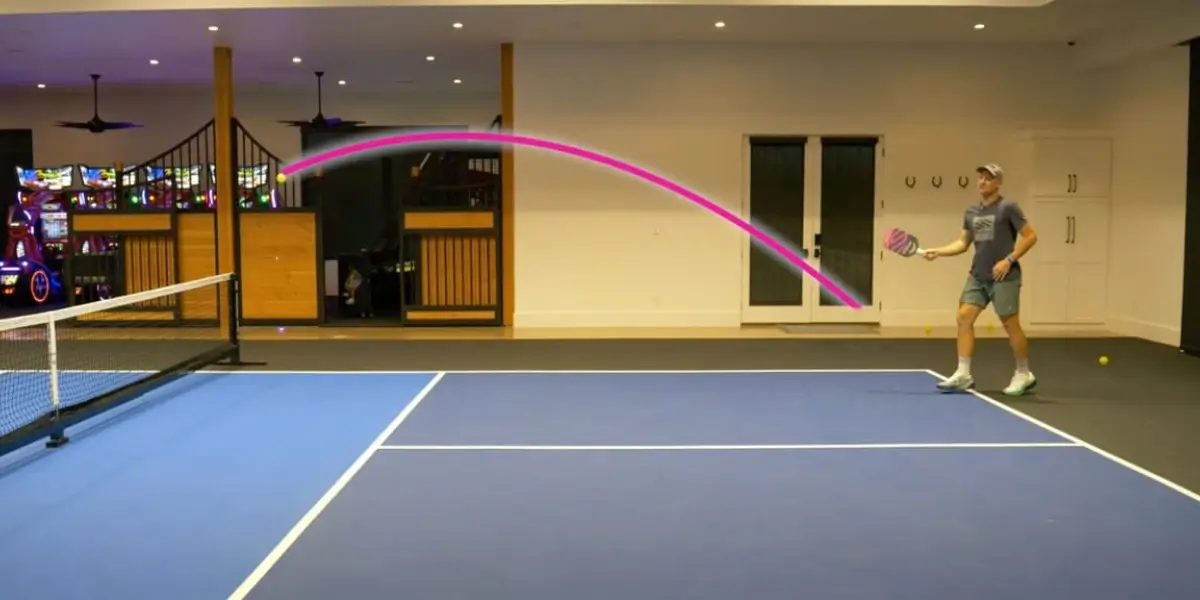
What is a third shot drop in pickleball, and why do experienced players treat it as a foundation of winning strategy? The third shot drop is the soft controlled shot hit after the serve and return that allows the serving team to move forward and take control of the rally.
This article explains exactly what a third shot drop is, how it works in real match situations, and why it remains essential at every level of competitive play.
I will break down its purpose, execution, and timing so you can understand not just how to hit it but when and why it changes the outcome of points.
What Is a Third Shot Drop in Pickleball?
A third shot drop is a soft and controlled shot played by the serving team after the return of serve. First, the server hits the ball. Then the opponent returns it. The next shot played by the serving team is the third shot, and this is where players often use a drop. It is usually hit from near the baseline and is meant to land gently inside the opponent’s kitchen.
The player lifts the ball with a smooth upward motion so it clears the net and falls softly into the non-volley zone.
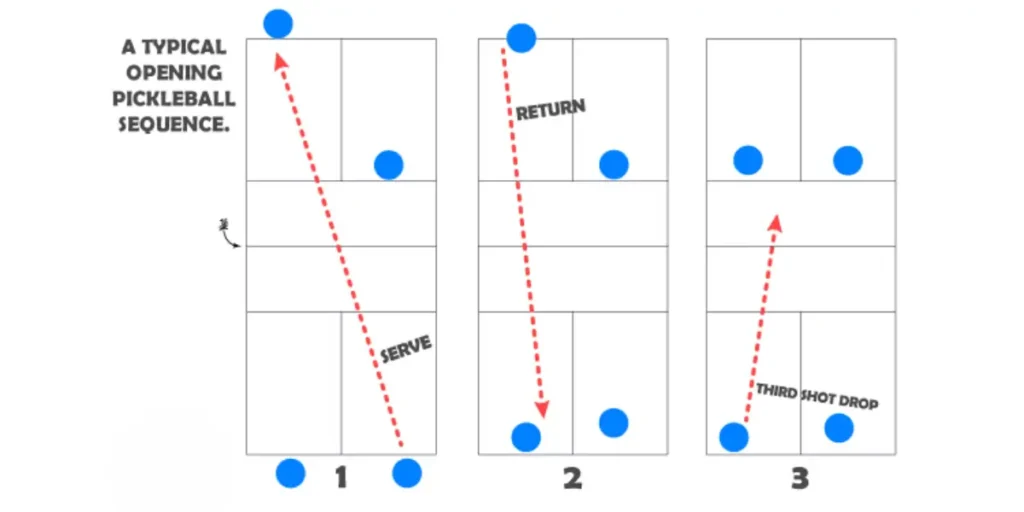
The word drop describes how the ball moves. It goes up with a gentle arc and comes down with very little speed. The goal is not to hit hard. The goal is to control the height and depth so the ball lands low and safe.
Unlike a fast drive that travels flat and quick, the third shot drop depends on touch. When hit correctly the opponent must let the ball bounce and contact it from below the net height. That makes it harder for them to attack.
In simple terms, the third shot drop is the shot that helps the serving team move from the baseline toward the kitchen line with control.
Why Is the Third Shot Drop Important?
The third shot drop is important because it helps the serving team deal with a tough position. After the return of serve, the receiving team usually stands at the kitchen line while the serving team stays deep near the baseline. That gives the receiving team an advantage.
A good third shot drop changes that situation. When the ball lands softly in the kitchen, the opponent cannot hit down hard on it. They must lift the ball back, which slows the rally and lowers the pressure.
This slower reply gives the serving team time to move forward and reach the kitchen line. Instead of staying on defense, they move into a balanced position. The value of the third shot drop comes from this ability to turn a weak position into a stable one without taking big risks.
Also read this: What Is a Drop Shot in Pickleball
How to Hit a Third Shot Drop in Pickleball
Once you understand the role of the third shot drop, the next step is learning how to execute it with control. This shot relies more on touch than strength. Small details in your setup and swing decide whether the ball lands softly in the kitchen or sits up for attack.
Paddle Angle
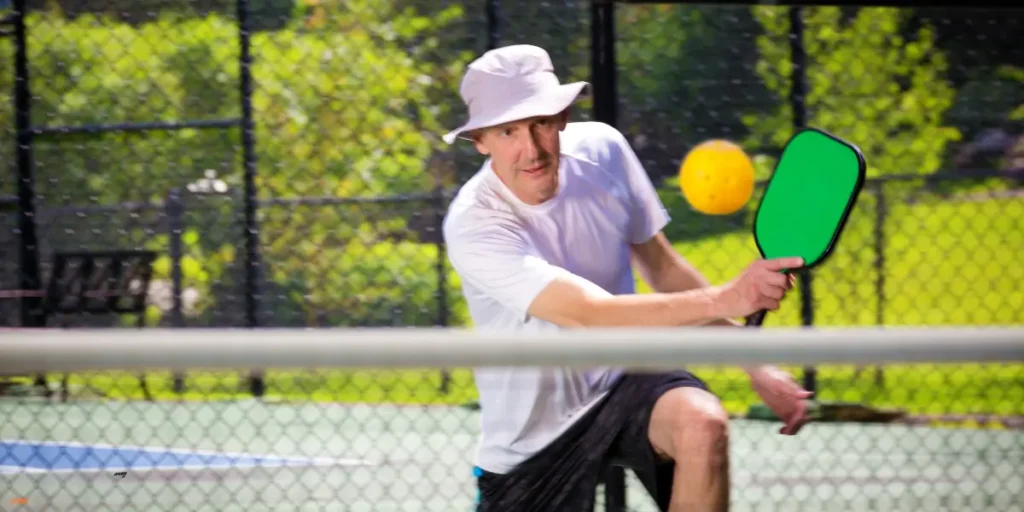
Start with a slightly open paddle face. Keep your grip relaxed so the ball leaves the paddle softly instead of jumping off with speed. When you squeeze the handle too tightly, the ball travels too high or too deep. Soft hands give you better control over height and pace.
Swing Path
Use a smooth, low-to-high motion. Let the paddle move upward through the ball instead of pushing it forward. This upward path creates the gentle arc needed to clear the net and drop into the kitchen. Keep the swing short and controlled. Long swings often cause mistakes.
Contact Point
Meet the ball in front of your body. Stay balanced and bend your knees so you can lift the ball with stability. Good balance improves both touch and direction. Avoid leaning back or reaching late because that usually leads to pop-ups.
Target Area
Aim for the kitchen area near your opponent’s feet. The ball should clear the net safely and fall with a low bounce. When placed well, the drop forces your opponent to step in and hit up from below the net height.
When to Use the Third Shot Drop in Pickleball
Use the third shot drop when your opponents are already set at the kitchen line, and you are still near the baseline. In this position, a hard drive often gives them an easy chance to attack.
A well-placed drop removes that opportunity. It makes them lift the ball instead of striking down on it. Choose this option when you need time to move forward and take a position at the kitchen line. It works best when control and patience give you a better advantage than speed.
Third Shot Drop vs Third Shot Drive in Pickleball
| Aspect | Third Shot Drop | Third Shot Drive |
|---|---|---|
| Primary Goal | Gain control and move to the kitchen line | Apply pressure or force a weak reply |
| Ball Flight | Soft arc that rises then falls into the kitchen | Flat and fast trajectory |
| Pace | Slow and controlled | Fast and aggressive |
| Risk Level | Higher margin when executed with touch | Higher risk if opponents are ready |
| Best Used When | Return is deep and low | Return sits high or attackable |
| Outcome | Forces opponent to hit upward | Forces quick reaction or defensive block |
Skilled players decide between these two options based on the height, depth, and pace of the return. The right choice depends on the court position and the type of ball received.
How to Practice Third Shot Drop by Yourself
To improve your third shot drop, you need focused repetition. You do not always need a partner. Solo practice can build touch control and confidence if you train with clear goals.
Wall Drill for Touch Control
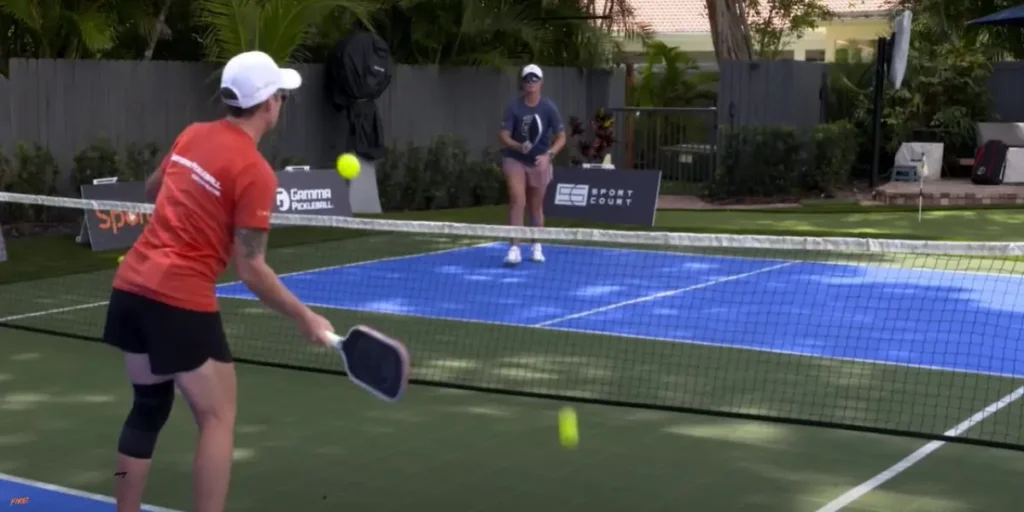
Stand several feet from a solid wall. Drop the ball and hit it with a soft, low-to-high motion so it rebounds at a manageable height. Do not hit hard. Pay attention to how the ball leaves your paddle. If it rebounds too fast, your contact was too firm. If it falls short, you did not lift enough. This drill teaches you how much arc the ball needs to clear the net without floating.
Target Drill for Accuracy
Go to a court and place small markers inside the kitchen area. Start from the baseline and aim to land each drop near your target. Count how many successful drops you hit out of ten or twenty attempts. This builds depth awareness and forces you to control distance rather than just keeping the ball in play.
Drop and Advance Movement Drill
Start at the baseline as if a rally just began. Hit a controlled third shot drop toward the kitchen and move forward immediately after contact. Do not stay back to watch the ball. Train your body to advance as part of the shot. This drill connects the drop with the transition, which is essential in match situations.
Structured Repetition Plan
Set a fixed number of quality repetitions, such as forty or fifty drops per session. Reset your stance before every attempt and stay fully focused. Avoid careless swings. Consistent practice with purpose builds a reliable touch faster than random hitting.
This is the same disciplined approach that top players follow. For example, Anna Leigh Waters is widely respected for her soft game and precise control in the kitchen. That level of consistency develops through structured repetition and constant refinement of touch rather than raw power.
When you train with structure, your third shot drop becomes steady and dependable. Over time, you will feel the correct height and pace instead of guessing it.
Common Third Shot Drop Mistakes in Pickleball
- Hitting too hard
Players swing with drive mentality, which sends the ball deep and makes it attackable. A third shot drop requires soft, controlled contact.
This mistake usually comes from rushing the shot instead of trusting touch. - Leaving the ball too high
Excess height gives opponents time to step in and attack. The ball should clear the net safely but stay low.
Proper lift should create a gentle arc, not a floating ball. - Not moving forward after the shot
The purpose of the drop is to help you transition to the kitchen line. Staying back removes that advantage.
Always treat the drop as part of your approach, not a stationary shot. - Poor balance at contact
Hitting while leaning back or reaching late often results in pop-ups or short balls.
Stable footwork improves both depth and accuracy. - Trying to force a perfect shot
Overthinking touch leads to tension. Focus on consistent depth and soft pace rather than perfection.
Consistency wins more points than occasional perfect drops.
FAQs
A proper third shot drop should land inside the opponent’s kitchen near their feet. The ball should clear the net safely and bounce low so the opponent cannot attack aggressively. Good placement makes the next shot easier to manage.
You should not always choose the drop. If the return of serve sits high and attackable, a drive may create pressure. Strong players read the ball and decide whether control or pace offers the better advantage in that moment.
Beginners often struggle at first because the shot requires touch instead of power. Many new players swing too hard or misjudge height and depth. With focused practice and repetition, most players develop control and confidence over time.
Conclusion
The third shot drop remains one of the most important skills a player can develop because it connects defense with control. It gives the serving team a practical way to move forward without taking unnecessary risks.
When executed with the right height and pace, it removes the opponent’s attacking angle and slows the rally into a manageable exchange.
This shot does not rely on strength. It relies on touch awareness and smart decision-making. Players who commit to practicing it with structure build consistency that shows up in real matches.
Over time, the third shot drop stops feeling like a difficult skill and becomes a reliable tool that supports smarter point construction and stronger court positioning.