
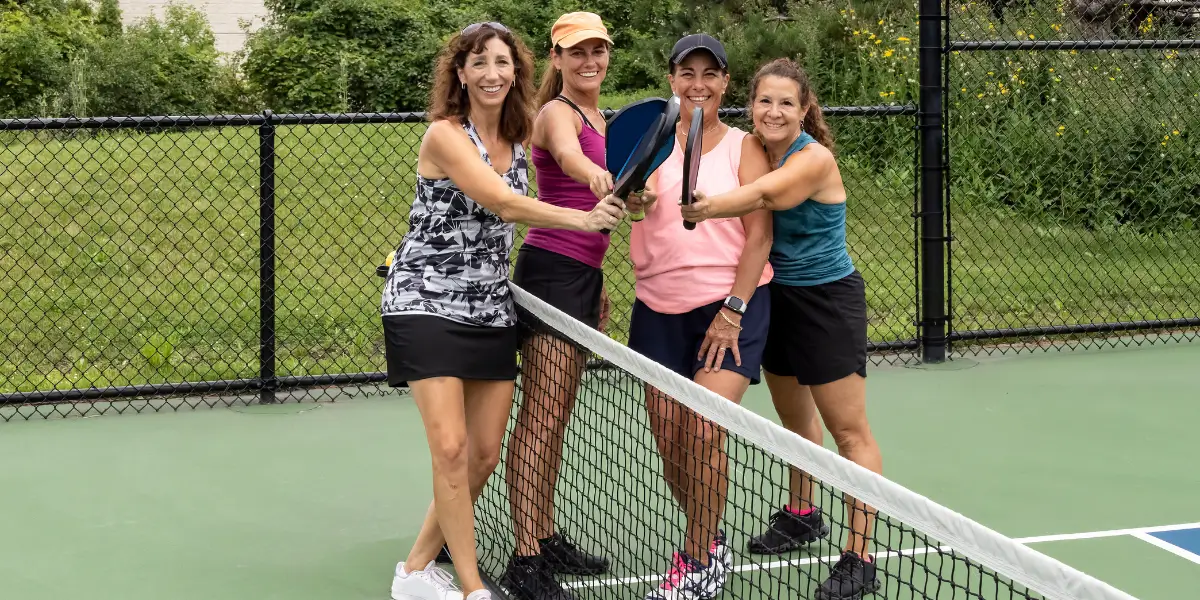
How many calories you burn playing pickleball depends on how hard you play and how long you stay active. Many players are surprised to learn that a single session can burn a meaningful number of calories even without long breaks or intense training routines.
Movement patterns, quick reactions, and repeated rallies all contribute to energy use. This article breaks down realistic calorie burn numbers based on play style, body weight, and match intensity.
It also explains why pickleball can support weight management without feeling like a workout. The goal is to give clear, practical answers so you know what your time on court is actually doing for your body.
How Many Calories Do You Burn Playing Pickleball?
Most players burn a moderate to high number of calories while playing pickleball, depending on intensity and session length.
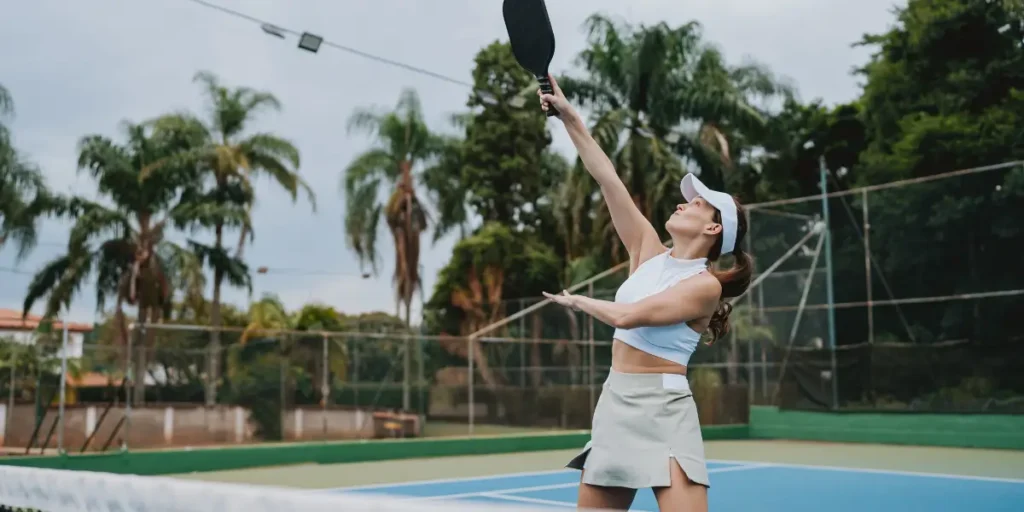
A 30-minute session typically burns about 150 to 225 calories, which makes pickleball a solid short workout option. Over a full hour, this usually adds up to around 300 to 450 calories during recreational play. Faster-paced games with longer rallies can push the hourly burn closer to 500 calories or more.
Calorie burn increases when rallies last longer, and footwork becomes more active. Singles play usually burns more calories than doubles because you cover more court and recover less between points.
Even though pickleball feels social, the repeated stop-start movement keeps your heart rate elevated and energy use consistent.
Calories Burned Playing Pickleball by Body Weight
30 Minute Pickleball Session
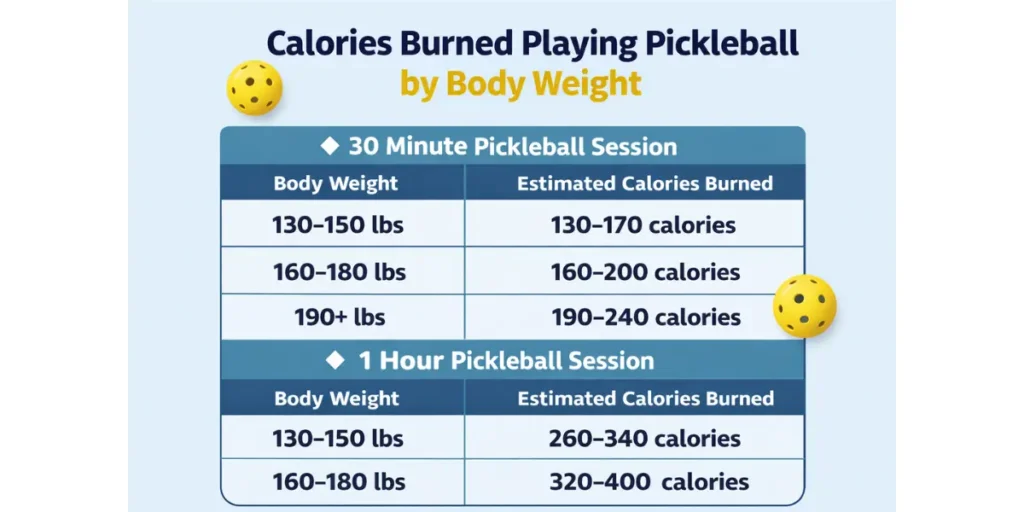
| Body Weight | Estimated Calories Burned |
|---|---|
| 130–150 lbs | 130–170 calories |
| 160–180 lbs | 160–200 calories |
| 190+ lbs | 190–240 calories |
1 Hour Pickleball Session
| Body Weight | Estimated Calories Burned |
|---|---|
| 130–150 lbs | 260–340 calories |
| 160–180 lbs | 320–400 calories |
| 190+ lbs | 400–480+ calories |
Note: These numbers increase with faster rallies, singles play, and shorter rest periods. Body weight affects calorie burn, but overall intensity remains the most important factor.
Singles vs Doubles: Which Burns More Calories?
Singles pickleball generally burns more calories than doubles because the movement demand is higher. In singles, you cover the entire court, which means more running, lateral movement, and recovery after every shot.
Rallies often require continuous motion with very little standing still, which keeps the heart rate elevated.
Doubles play involves shared court coverage, so movement is more limited. There are more pauses between points, and positioning is tighter, which lowers overall energy use. However, doubles can still burn a decent number of calories when rallies are long, and play stays competitive.
The main difference comes down to how much ground you are required to cover during each point.
Factors That Affect Calories Burned in Pickleball
Calorie burn in pickleball is not the same for everyone because several factors shape how much energy your body uses.
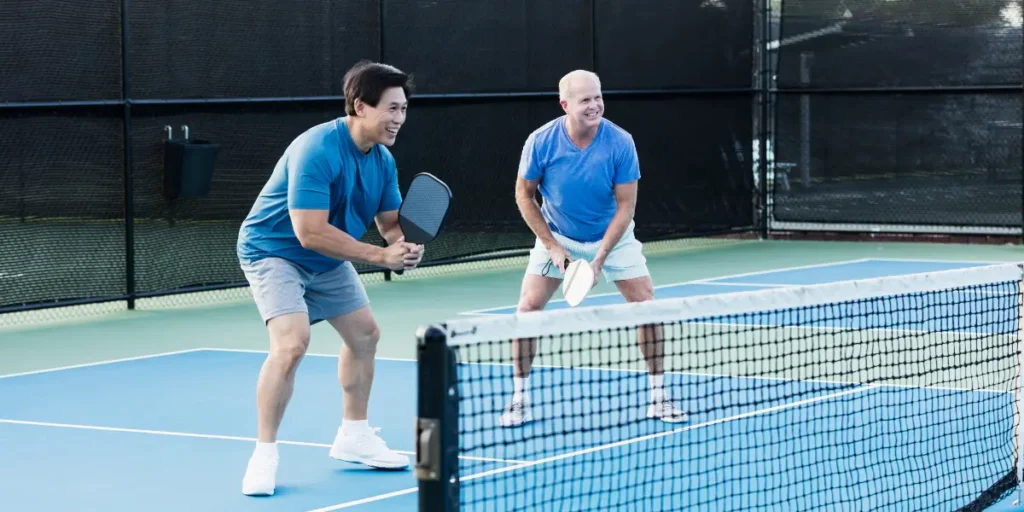
Intensity plays the biggest role. Faster rallies and constant movement raise heart rate and increase burn. Play style also matters. Aggressive baseline play with frequent sprints uses more energy than soft net exchanges.
Skill level influences calories as well. Beginners often stop and reset more while experienced players stay active longer during points. Rest time between rallies can lower total burn if breaks are frequent.
Court surface and weather also have an impact since heat and traction change effort levels. The more continuous your movement and focus, the higher the calorie burn during a session.
How Pickleball Compares to Other Sports
| Activity | 30 Minutes | 1 Hour |
|---|---|---|
| Pickleball (Doubles) | 150–225 calories | 300–450 calories |
| Pickleball (Singles) | 200–275 calories | 400–550 calories |
| Walking (Moderate Pace) | 120–160 calories | 240–320 calories |
| Badminton (Recreational) | 150–200 calories | 300–400 calories |
| Cycling (Moderate Pace) | 180–250 calories | 360–500 calories |
| Gym Cardio (Elliptical or Treadmill) | 180–260 calories | 360–520 calories |
| Singles Tennis | 220–300 calories | 440–600 calories |
Does Pickleball Help With Weight Loss?
Pickleball can support weight loss when played consistently and with enough intensity.
Regular sessions increase daily calorie burn without putting heavy stress on the joints, which helps players stay active long term. The stop-start movement keeps the heart rate elevated and supports steady fat use.
Weight loss depends on routine, not a single workout. Pickleball works best when played several times a week and paired with balanced eating habits.
Casual play helps with maintenance, while faster games and longer rallies deliver better results. The biggest advantage is sustainability because people are more likely to stay consistent with an activity they enjoy.
How to Burn More Calories While Playing Pickleball
Calorie burn increases when play stays active, and movement is continuous. Singles matches demand full court coverage, which naturally raises effort and keeps the body moving without long pauses.
Faster rallies with fewer soft resets force consistent footwork and quick recovery, which helps keep the heart rate elevated. Shorter breaks between points also prevent the body from fully cooling down, which leads to higher overall energy use.
Playing longer sessions at a steady pace often burns more calories than short, intense bursts followed by rest. Staying engaged between shots, adjusting position early, and moving with purpose all add up over time.
Small changes in how you approach each point can significantly increase calorie burn without making the game feel exhausting.
Calories Burned During Recreational vs Competitive Pickleball
Calories burned differ based on how the game is played. Recreational pickleball usually includes slower rallies, more pauses, and relaxed movement. Calorie burn stays moderate because intensity rises and falls during play. It still supports activity, but energy use remains steady.
Competitive pickleball burns more calories due to faster rallies, constant movement, and shorter rest periods. Players stay engaged on every point, which keeps the heart rate elevated. The higher burn comes from pace, focus, and continuous effort rather than skill alone.
Health Benefits Beyond Calories
Pickleball offers more than just calorie burn, which is why many people stick with it long term. Regular play improves cardiovascular health by keeping the heart rate elevated through repeated movement and recovery.
Over time, this helps build endurance without placing excessive strain on the body.
The sport also supports balance, coordination, and agility. Quick direction changes and controlled footwork train stabilizing muscles, which can reduce fall risk, especially as players age. Pickleball is also joint-friendly compared to high-impact sports because movements are shorter and more controlled.
Beyond physical benefits, the game supports mental well-being. Focused rallies, social interaction, and light competition help reduce stress and improve mood.
These combined benefits make pickleball a well-rounded activity, not just a way to burn calories.
FAQs
Beginners can still burn a good number of calories even at a slower pace. As skill improves, rallies last longer, and movement increases. Calorie burn often rises naturally over time.
Yes, pickleball often burns more calories than players expect because of constant movement and short recovery times. Even casual games keep the body active through repeated rallies and positioning.
Playing twice a week still contributes to calorie burn and overall fitness. While more frequent play brings better results, even two sessions help maintain activity levels and support a healthy routine.
Age does not prevent calorie burn, but fitness level affects intensity. As players improve stamina and movement efficiency, calorie burn often increases naturally regardless of age.
Related Post
Conclusion
Pickleball may not look intense at first glance, but it can burn a meaningful number of calories when played regularly. Short rallies, quick movement, and repeated points keep the body active without feeling overwhelming.
Whether you play for 30 minutes or a full hour, the calorie burn adds up, especially during singles or competitive play.
What makes pickleball stand out is its sustainability. It is easier to stay consistent with an activity that feels enjoyable rather than exhausting. Along with calorie burn, it supports heart health balance and overall movement.
For many people, pickleball is not just a game but a practical way to stay active, manage weight, and improve fitness over time.