
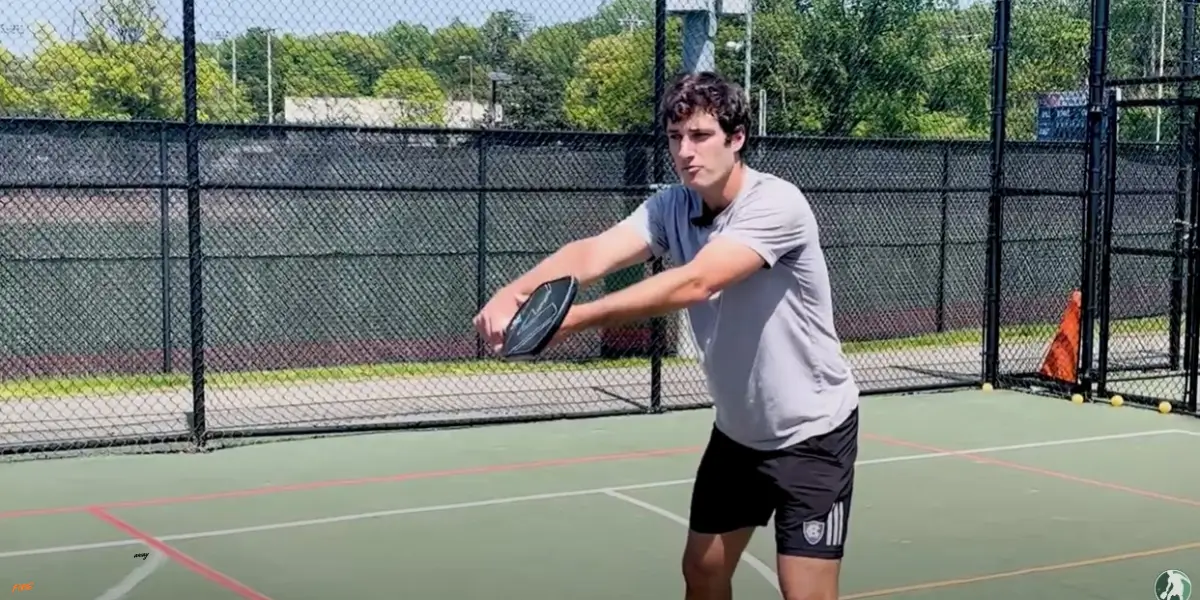
A reset in pickleball can completely change the direction of a rally. During fast exchanges, players often face pressure that makes attacking difficult. In those moments, experienced players rely on a reset to slow the pace and regain control of the point.
Many beginners hear this term but do not clearly understand what it means or how it works during real play.
Here you will learn what a reset shot in pickleball actually is and why players use it during intense rallies. You will also learn when to reset instead of attack and how to hit a proper reset shot so the ball lands softly in the kitchen and the rally returns to a controlled situation.
What Is a Reset in Pickleball
A reset in pickleball is a soft defensive shot that neutralizes a fast rally. Instead of returning the ball with power, a player absorbs the pace of the incoming shot and guides the ball gently into the opponent’s kitchen. This action removes the opponent’s attacking advantage and brings the rally back to a neutral pace.
Players usually use a reset when they face pressure, such as a hard drive or a quick volley exchange. In that moment, a controlled soft shot works better than an aggressive return. The goal is simple. Slow the rally and force opponents to lift the ball instead of attacking.
Most resets land inside the non-volley zone, which players often call the kitchen. When the ball drops low in this area, opponents lose the chance to hit a strong volley. This allows the player to recover position and continue the rally with better control.
When to Reset vs When to Attack
Players make better decisions when they understand the difference between resetting and attacking. Each rally presents a different situation. Smart players read the height and speed of the ball before choosing the right option.
When to Reset
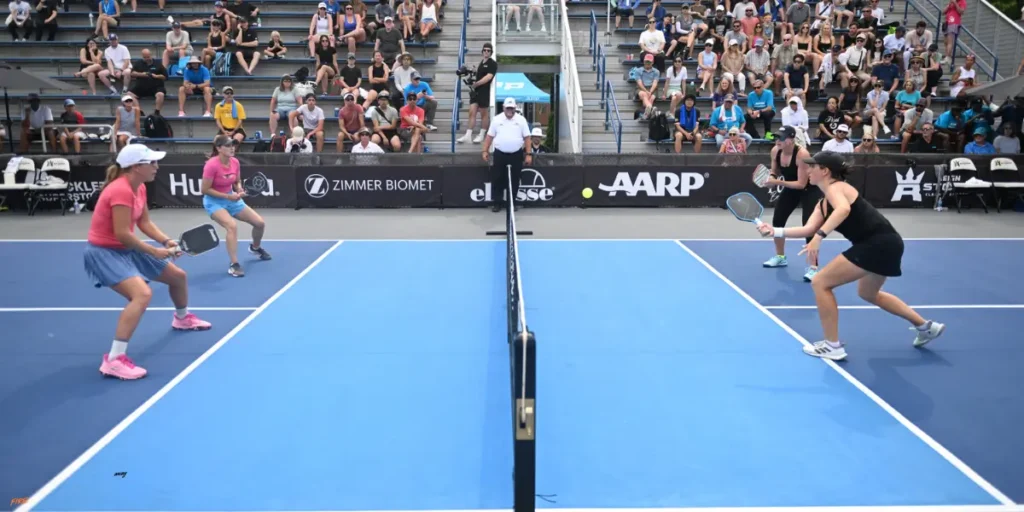
Use a reset when opponents apply pressure with fast shots. Hard drives, strong volleys, or low balls near your feet often remove your ability to attack. In these situations, a soft reset works best because it slows the rally and prevents mistakes.
Players also reset while standing in the transition zone. This area sits between the baseline and the kitchen line. Attacking from this position carries risk because the ball often stays low. A controlled reset helps the player move forward and regain balance in the rally.
When to Attack
Attack when the ball rises above the net and gives you a clear chance to apply pressure. High balls, weak dinks, or pop-ups create offensive opportunities. In these moments, players can drive the ball or hit an aggressive volley.
Strong players stay patient. They reset during pressure and attack only when the ball allows it. This decision-making separates controlled rallies from rushed mistakes.
How to Hit a Proper Reset Shot in Pickleball
A good reset depends on control, not power. The player focuses on soft hands, stable balance, and simple paddle movement. The goal is to absorb the pace of the incoming ball and guide it gently into the opponent’s kitchen.
Paddle Grip and Control
Players keep their grip relaxed while hitting a reset. A tight grip creates extra power, which often sends the ball too high. Soft hands help absorb the speed of the incoming shot and give the player better touch on the paddle.
Many experienced players think of the paddle as a cushion that receives the ball rather than hitting it hard. Light grip pressure improves feel and helps the ball leave the paddle with a soft, controlled pace.
Paddle Angle
The paddle face should stay slightly open at contact. This angle helps lift the ball enough to clear the net without sending it too high. Players avoid big swings during a reset.
Instead, they let the paddle absorb the incoming pace and guide the ball forward with a gentle push. A stable paddle face keeps the shot predictable and helps the ball travel on a controlled arc toward the kitchen.
Contact Point
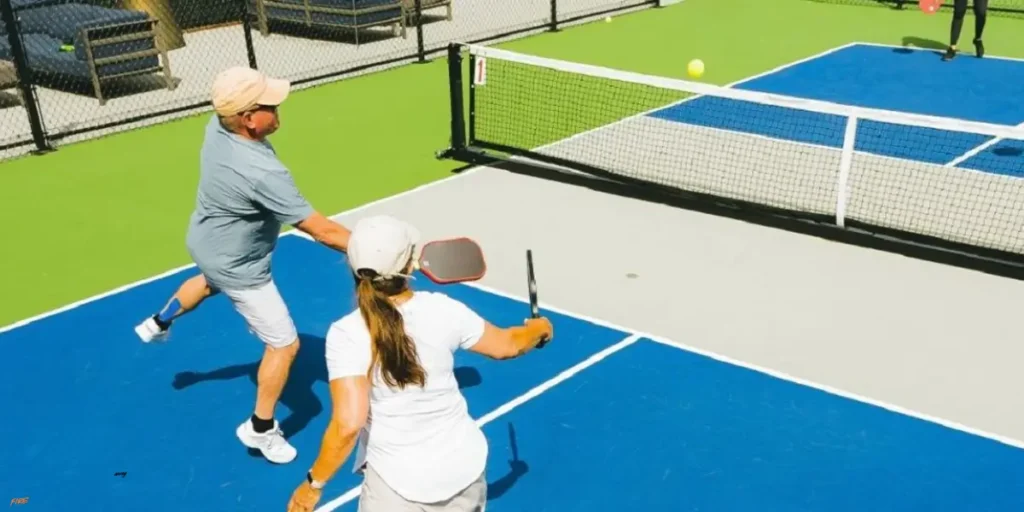
Contact should happen in front of the body where the player can see the ball clearly. This position improves control and prevents awkward paddle movement. Players keep the motion compact and avoid large backswings.
A short controlled movement allows the paddle to absorb the ball’s speed. Good players also stay balanced through contact because stable footwork helps maintain a soft and accurate reset.
Target Placement
A successful reset lands inside the opponent’s kitchen. The ball should travel softly and stay low after the bounce. Low shots remove the opponent’s ability to attack with a strong volley.
Many players aim toward the middle of the kitchen because this area reduces sharp angles and makes the shot safer. When the ball drops softly in this zone, the rally slows down, and both teams return to a neutral position.
Reset Shot vs Third Shot Drop
Many players confuse a reset with a third shot drop because both shots land softly in the kitchen. The purpose of each shot differs. A reset helps a player recover from pressure, while a third shot drop helps a team move into an offensive position.
Players hit a third shot drop early in the rally after the serve return to move toward the kitchen line. A reset usually happens later when fast drives or volleys create pressure. Players use it to slow the rally and regain control.
| Reset Shot | Third Shot Drop |
|---|---|
| Used during fast rallies when a player faces pressure | Used early in the rally after the serve return |
| Helps neutralize aggressive drives and volleys | Helps the serving team move safely to the kitchen |
| Focuses on defense and control | Focuses on setting up offense |
| Often played from the transition zone | Often played from near the baseline |
| Goal is to slow the rally and regain balance | Goal is to start a soft game near the kitchen |
Strong players understand when to use each shot. They rely on the third shot drop to approach the kitchen and use resets to handle pressure during fast exchanges.
3 Drills to Improve Your Reset Shot
Practicing the reset in controlled drills helps players develop better touch and confidence during fast rallies.
Rapid Volley Reset Drill
In this drill, one player stands at the kitchen line and hits firm volleys toward the partner. The second player stays in the transition zone and focuses on resetting every ball softly into the kitchen. The player should keep the paddle steady and avoid large swings while making contact.
The main goal of this drill is to train soft hands during fast exchanges. The player learns to absorb the speed of the incoming volley instead of reacting with power. With consistent practice, players begin to control the pace of the rally even when the opponent applies pressure.
Kitchen Reset Drill
Both players stand near the kitchen line and rally from close distance. One player sends slightly faster controlled shots while the partner focuses on resetting each ball softly back into the kitchen area.
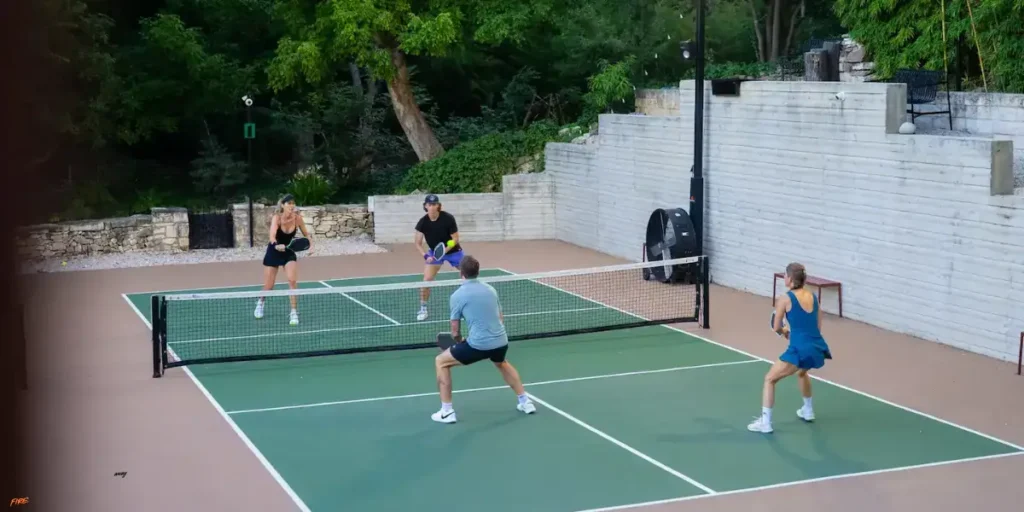
This drill improves touch and paddle control because the players work with very small margins near the net. The player learns how to guide the ball with minimal force and keep the shot low. Over time, this drill develops the soft game that strong pickleball players rely on during neutral rallies.
Transition Zone Control Drill
One player starts in the transition zone while the partner stands at the kitchen line and sends controlled shots toward them. The player in the transition zone resets each ball softly into the kitchen while maintaining balance and control.
After every successful reset, the player moves one step closer to the kitchen line. This progression teaches players how to move forward safely while under pressure. The drill also helps players build confidence when resetting from one of the most difficult positions on the court.
Pro Tips to Master the Reset Shot in Pickleball
1. Relax Your Grip Pressure
Grip pressure controls the quality of your reset. Many players hold the paddle too tightly when they face a fast shot. This reaction adds unwanted power and sends the ball higher than intended.
Skilled players keep their grip relaxed so the paddle absorbs the energy of the incoming ball. Think of the paddle as a cushion receiving the ball instead of striking it. This soft contact allows the ball to drop gently into the kitchen, which removes the opponent’s attacking option.
2. Let the Paddle Do the Work
Players often try to swing through the ball when they feel pressure. A reset requires the opposite approach. The player keeps the motion short and stable while letting the paddle redirect the ball.
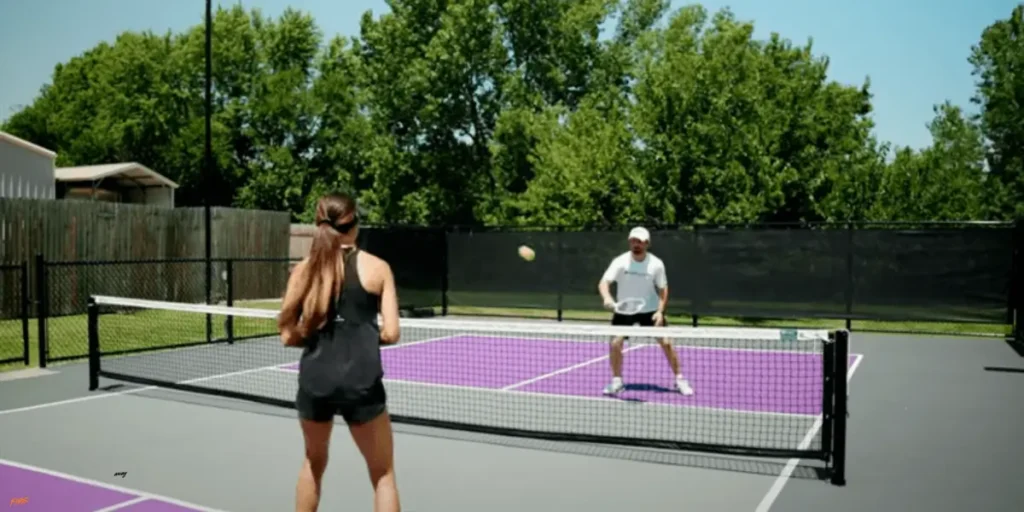
When the paddle stays quiet, the incoming speed naturally slows down after contact. This controlled redirection helps the ball travel with a soft arc that lands safely in the kitchen. Large swings almost always create pop-ups, which opponents attack immediately.
3. Focus on Net Height Control
The best resets travel just high enough to clear the net. A ball that floats too high gives the opponent an easy volley. A ball that stays too low falls into the net.
Players should aim for a controlled trajectory that clears the net with minimal height. This margin keeps the shot safe while still forcing opponents to hit upward. When the opponent must lift the ball, the rally naturally slows down.
4. Reset Toward the Middle
Advanced players often reset toward the middle of the court rather than the sidelines. The middle area reduces the risk of hitting out and removes sharp angles that opponents can attack.
This placement also creates hesitation between partners during doubles play. Both players may expect the other to take the ball, which slightly delays their response. A simple middle reset often gives the defensive team enough time to recover and return to a balanced rally.
FAQs
A reset and a dink both involve soft shots, but they serve different purposes. A dink usually happens during a controlled rally at the kitchen line. A reset happens when a player faces pressure and needs to neutralize a fast shot before returning to a soft rally.
Players use a reset when the opponent hits a hard drive, fast volley, or a low ball that makes attacking risky. In these situations, a soft shot works better than a power. A reset helps the player regain control of the rally and move safely toward the kitchen line.
A reset shot helps a player slow down a fast rally and regain control under pressure. A drop shot in pickleball usually happens earlier in the rally and helps the player move toward the kitchen. In simple terms, a drop shot starts a soft rally, while a reset stabilizes one.
Conclusion
A strong reset gives players a way to regain control when a rally becomes fast and aggressive. Instead of forcing risky attacks, players use this shot to slow the pace and return the point to a neutral position.
This ability becomes especially important when a player stands in the transition zone or faces quick volleys near the kitchen line.
Players who master the reset develop better patience and control during rallies. They recognize when a situation requires a soft touch rather than power. Over time, this skill helps players handle pressure, recover position, and stay in points that might otherwise end quickly.
Consistent practice improves the quality of the reset. Players should focus on soft hands, stable paddle control, and accurate placement in the kitchen. With these habits, the reset becomes one of the most reliable tools for managing difficult rallies and maintaining balance during competitive play.