
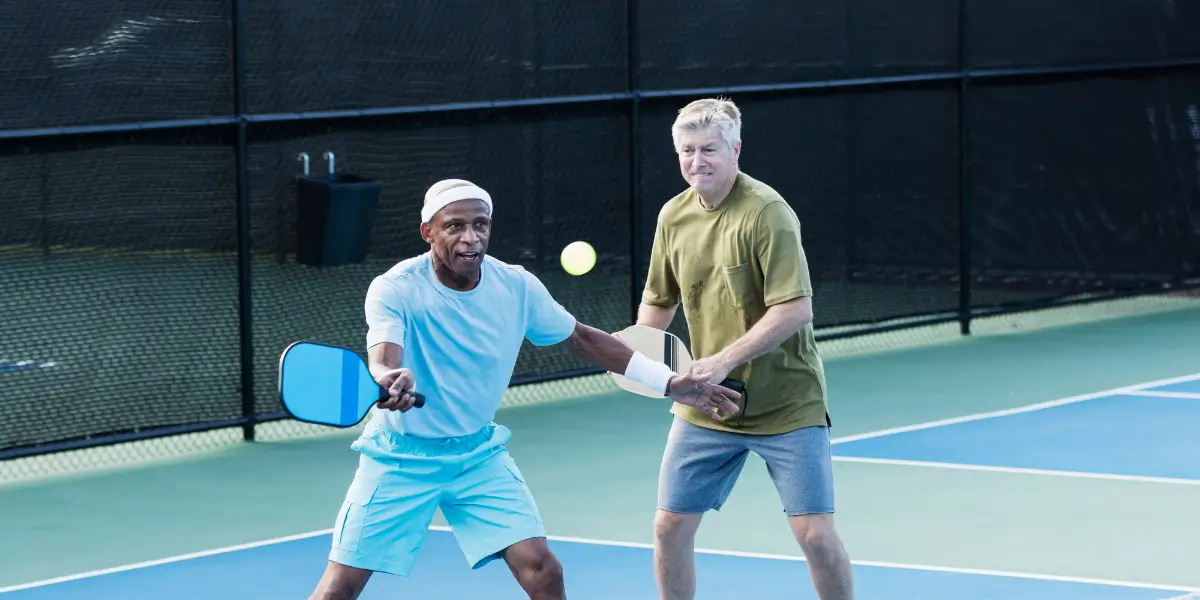
If you’re new to pickleball or still building confidence on the court, understanding side outs is essential. A side out happens when the serving team loses its right to serve, and the serve passes to the opponent.
Knowing when a side out occurs and how it affects scoring helps you make smarter decisions during rallies.
This guide explains side outs in singles and doubles, common mistakes that lead to them, and how mastering this rule can improve your strategy and overall game awareness.
What is a Side Out in Pickleball?
A side out occurs when the serving team loses its chance to serve, and the serve shifts to the opposing team. It does not mean a point has been scored, because in traditional scoring, only the serving team can earn points.
Side outs end the current team’s serving opportunity due to a fault, error, or completed service rotation in doubles.
For example, serving into the net, hitting the ball out of bounds, or making a fault during a rally triggers a side out. Once it happens, the opponent takes over serving and gains the chance to start scoring.
Side outs are a core part of game flow. They can shift momentum quickly, especially in tight matches, making it essential to play strategically and protect your service turns.
When Does a Side Out Occur in Pickleball?
A side out happens whenever the serving team commits a fault and loses the serve.
In singles, it occurs immediately after the server loses a rally, passing the serve directly to the opponent.
In doubles, each team gets two serving opportunities, one for each player. If the first server faults, the serve moves to their partner. If the second server also faults, a side out occurs, giving the serve to the opposing team.
Since only the serving team can score in traditional scoring, each side out resets the scoring opportunity for the other team. Understanding this helps players manage momentum and make smarter decisions during matches.
How Side Outs Work in Doubles Pickleball
The two serve rule controls how a side out works in doubles pickleball. Each team gets two chances to serve during a service turn, one for each partner, before losing the serve.
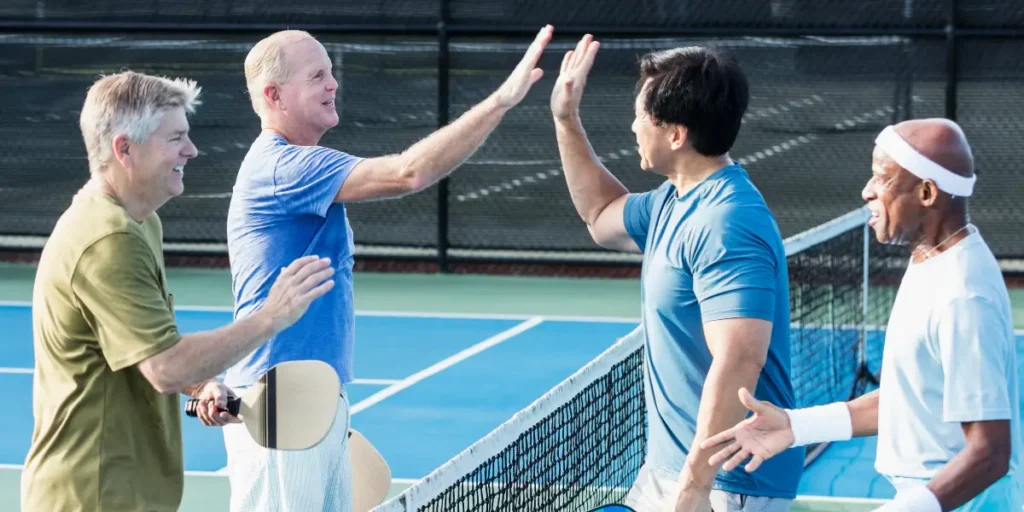
The player standing on the right side of the court always serves first and becomes the first server.
If the first server commits a fault, such as hitting the ball into the net or losing the rally, the serve moves to their partner. That partner then serves as the second server.
If the second server also commits a fault, the team loses the serve. At that moment, a side out occurs, and the opposing team takes over serving.
At the start of the game, one exception applies. Only one player from the starting team serves before a side out occurs. This rule prevents the serving team from gaining an early advantage.
By keeping track of server order and knowing whose turn it is, players reduce confusion and avoid unnecessary errors during fast rallies.
How Side Outs Work in Singles Pickleball
Singles pickleball uses a much simpler side out system because only one player serves on each side.
The server always starts from the right side when the score is even and moves to the left side when the score is odd. The server continues serving and scoring points until they lose a rally or commit a fault.
When the server loses the rally, a side out occurs immediately and the serve passes directly to the opponent. There is no second server and no extra service turn in singles play.
Because players get only one serving opportunity, every service turn carries more value. A single mistake can shift control of the game, which makes consistency and smart shot selection especially important in singles matches.
Side Out and Traditional Scoring
Traditional pickleball scoring allows only the serving team to score points. If your team does not serve, the score cannot change in your favor.
When the serving team wins a rally, it earns a point and keeps the serve. When the serving team loses a rally, the serve either moves to the second server in doubles or results in a side out.
Once a side out occurs, the team that lost the serve must regain it before scoring again. This rule makes service turns extremely valuable and places pressure on players to avoid unnecessary errors.
Many players find this system confusing at first because they may win several rallies without seeing the score change. Once you understand how side outs work in traditional scoring, the rhythm of the game becomes much easier to follow and manage.
Side Out and Rally Scoring in Pickleball
Rally scoring allows both teams to score points on every rally, regardless of who serves. The serve only decides which side starts the next rally, but it does not control scoring opportunities.
If the serving team wins the rally, they score a point and keep serving. If the receiving team wins the rally, they also score a point and immediately take over the serve. A side out still happens when the serve changes sides, but it no longer stops scoring momentum.
Rally scoring speeds up the game by eliminating long stretches without points. Every rally carries value, so players feel constant pressure to stay focused. Momentum shifts faster, mistakes matter more, and matches move at a quicker pace.
Many leagues and tournaments now use rally scoring to keep matches shorter and more predictable. Understanding how side outs work in this system helps players adjust strategy and maintain consistency.
How a Side Out Affects the Game Flow
A side out does more than change which team serves next. Losing the serve also means losing the chance to score points and gives the opposing team an opportunity to take control.
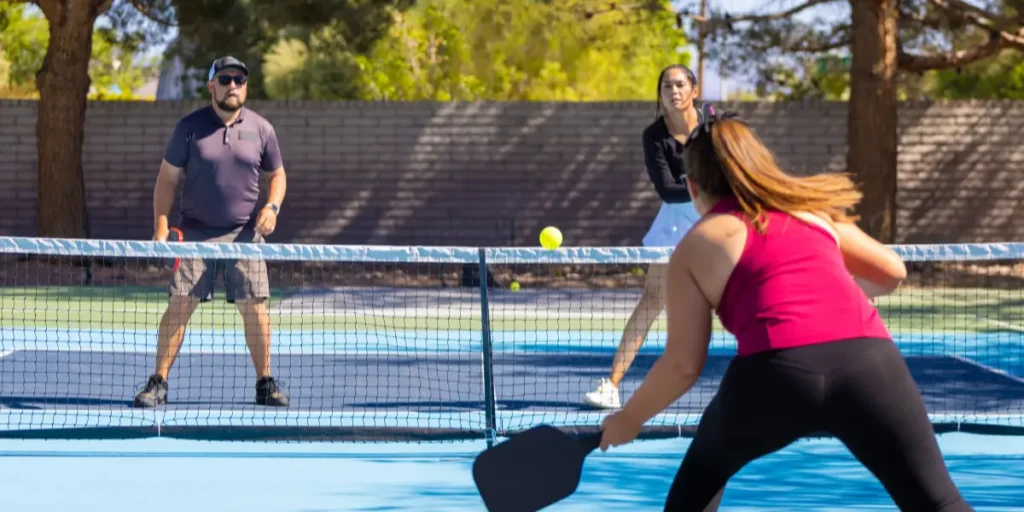
In close games, a single side out can shift momentum quickly. Teams often use this reset to adjust strategy, increase focus, and apply pressure on their opponents.
Managing your service turns and minimizing mistakes is crucial. Every side out represents either a missed scoring opportunity or a chance to reset the tone of the match, making careful shot selection and consistent play essential.
Common Mistakes That Lead to Side Outs and How to Avoid Them
1. Rushing the Serve or Return
Players sometimes rush their serve or return under pressure, losing proper positioning and balance. This can lead to faults like stepping on the baseline or failing to get into ready position. Take a moment to reset, breathe, and set a strong stance before serving or returning.
2. Ignoring the Non-Volley Zone (Kitchen) Rules
Stepping into the kitchen too early or hitting a volley while moving into it causes faults and hands the serve to your opponent. Practice footwork around the NVZ and control your dinks and drop shots to avoid mistakes.
3. Poor Communication in Doubles
In doubles, miscommunication can cause both players to go for the same ball or let it drop. Simple calls like “mine,” “yours,” or “out” maintain rhythm and prevent unnecessary side outs.
4. Trying to End Points Too Early
Going for risky smashes or winners too soon often results in the ball hitting the net or going out. Build the rally strategically, exercise patience, and wait for the right setup.
5. Serving Too Soft or Predictable
Weak or predictable serves make it easy for opponents to take control. Vary placement and speed, aiming deep, fast, and to the backhand to keep your opponent guessing.
How to Avoid These Mistakes
Focus on high-percentage plays by choosing safer shots that are more likely to stay in play. Communicate clearly with your partner in doubles to avoid confusion and missed opportunities.
Avoid forcing winners too early in the rally, as this often leads to mistakes. Reviewing game footage or getting feedback from a coach helps you spot habits that cause side outs and correct them through targeted practice drills.
FAQs
Yes. New players often lose serves due to rushed shots or poor footwork. Practicing consistency and controlled strokes significantly lowers side outs.
Observe how your opponent reacts under pressure. A side out can reset momentum, letting you plan smarter shots when you gain the serve.
You can anticipate based on patterns like weak serves, risky returns, or poor positioning. Recognizing these moments lets you adjust before losing the serve.
Conclusion
Understanding side outs is essential for anyone looking to improve in pickleball. Whether playing singles or doubles, a side out can quickly change momentum, end a scoring opportunity, or give your opponent a chance to take control.
By mastering the rules of side outs, paying attention to positioning, and avoiding common mistakes, you can protect your service turns and make smarter decisions on the court. Awareness and practice allow you to maintain consistency, stay competitive, and enjoy the game with greater confidence.
Remember, each side out is not just a lost serve, it’s an opportunity to reset strategy, refocus, and come back stronger in the next rally.